
migration
Ba Zasa (Return) / 2022-2024
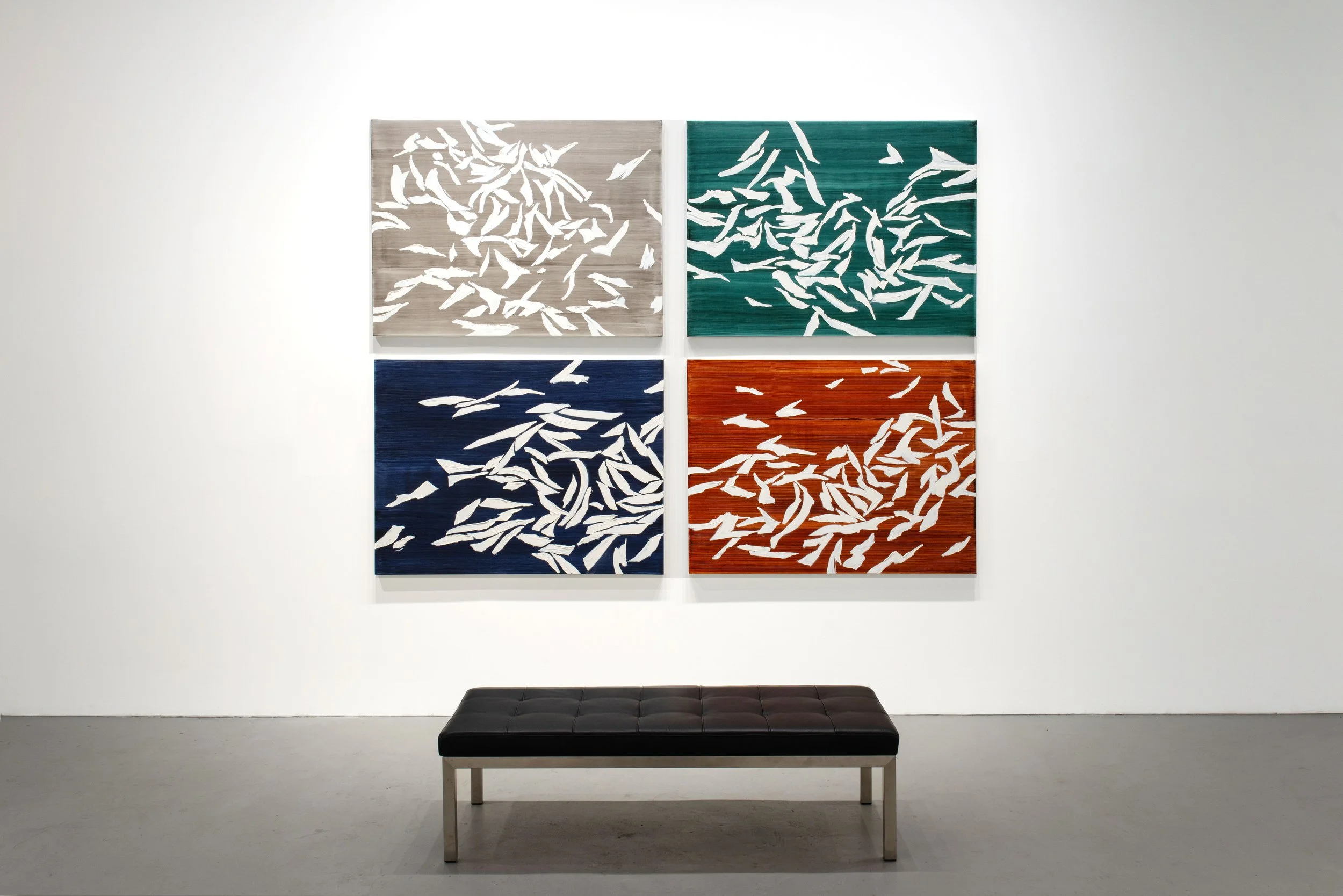
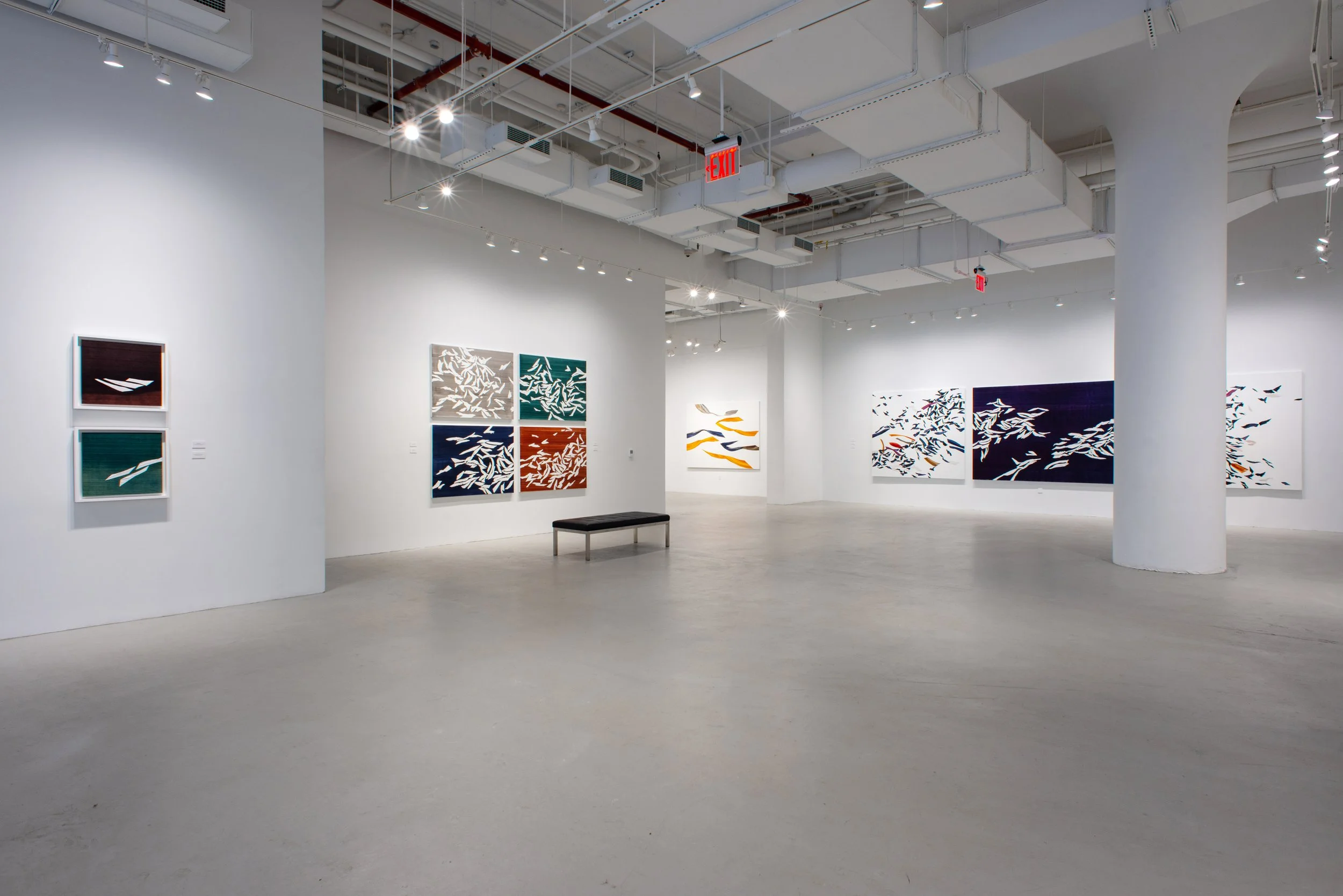
The series of paintings developed by Mazal during the Covid pandemic, reflect a contained space, geometric shapes with sharp lines and dark colors. In contrast, the new series "Migration" represent movement and freedom. Which are characterized by sinewy rivulets of thick white paint, that transform the flat surface into a three-dimensional, textile-like material. A unique physical intensity can be felt in Mazal's painterly response to the end of the pandemic. The gestures on the paintings can be interpret as birds migrating or musical notes that create what has been described as a visual equivalent to contemporary classical music.
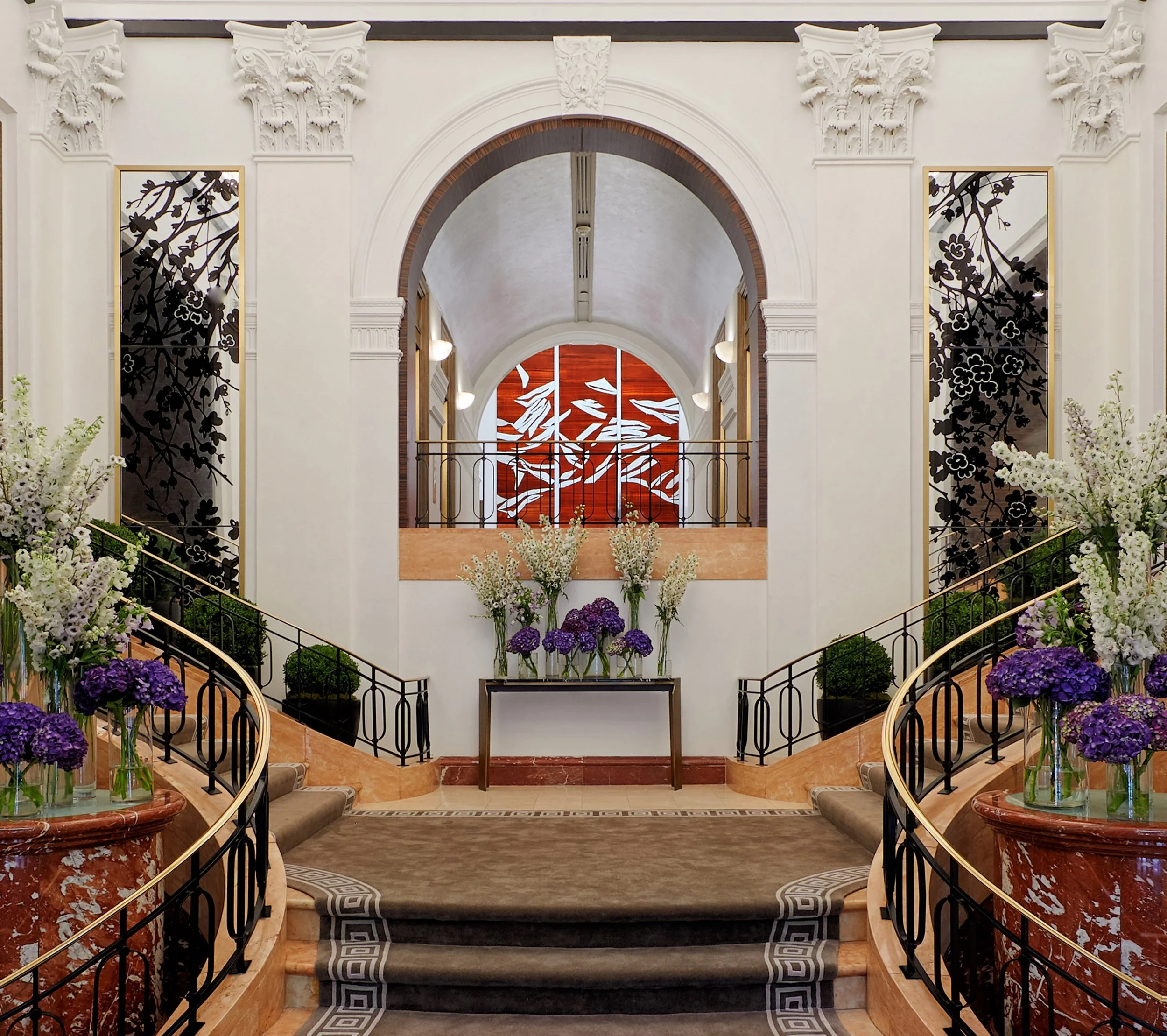
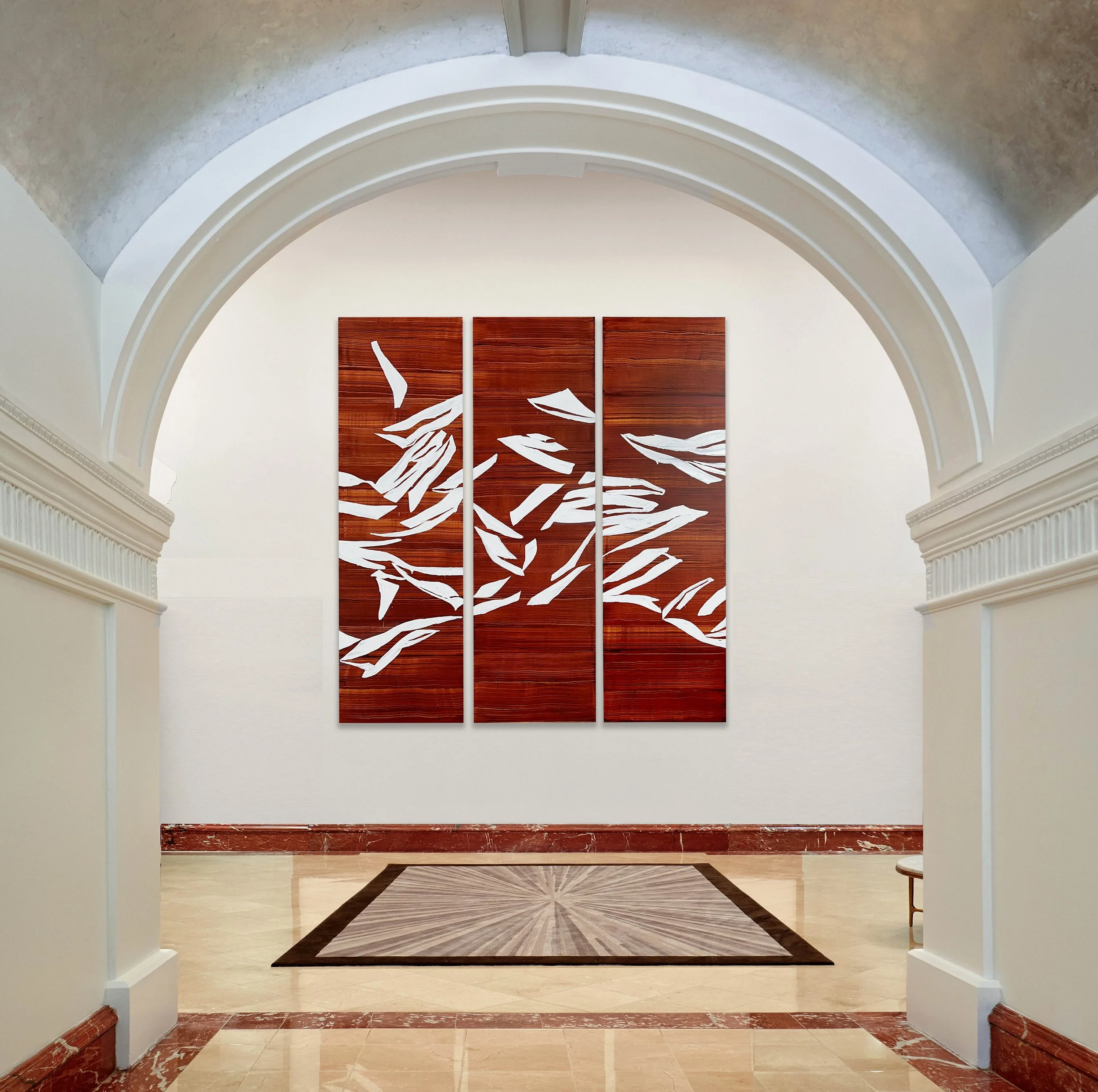
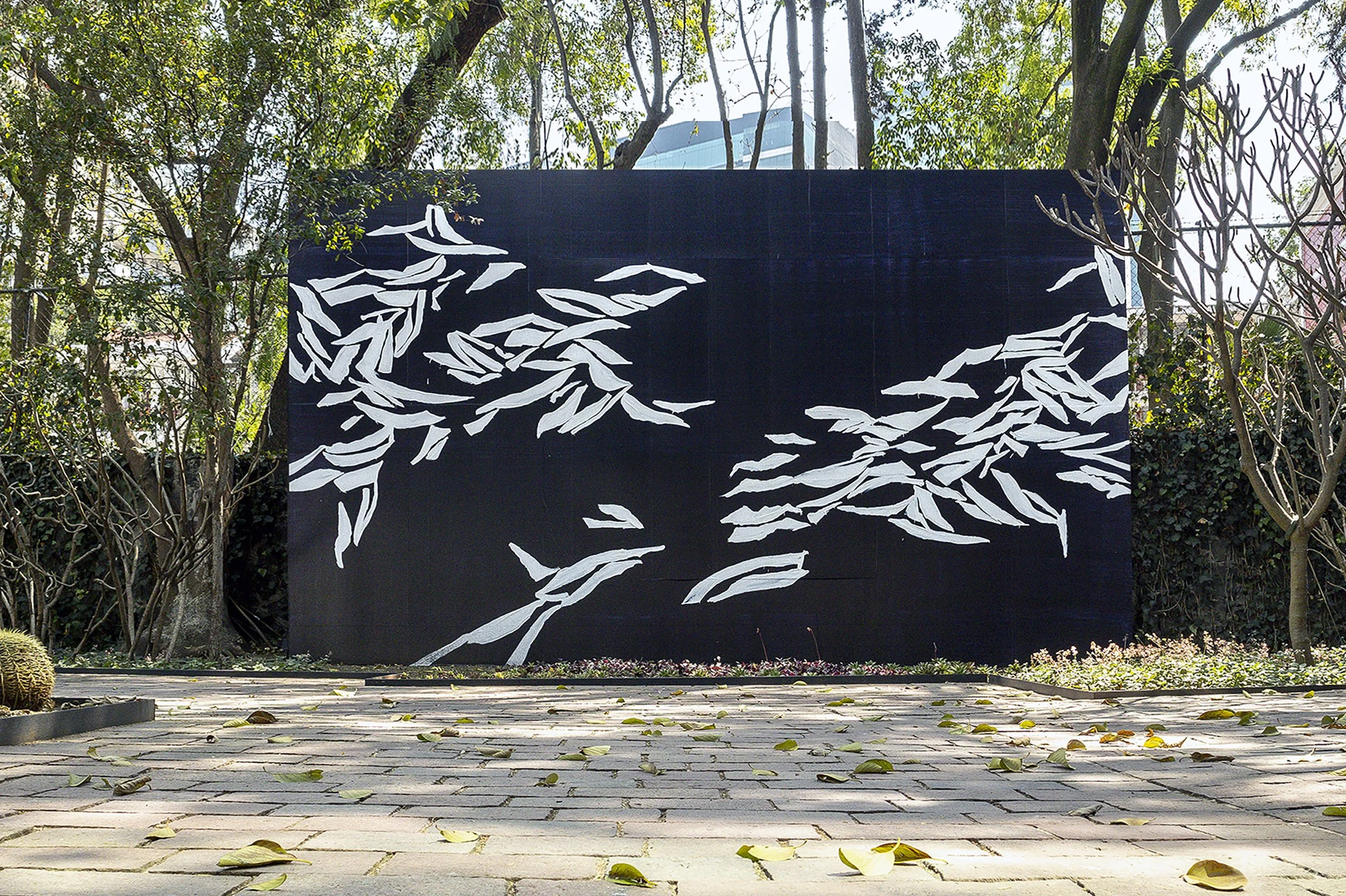
Ba Zasa (Return) at Seminario de Cultura Mexicana, Mexico City, Mexico 2024
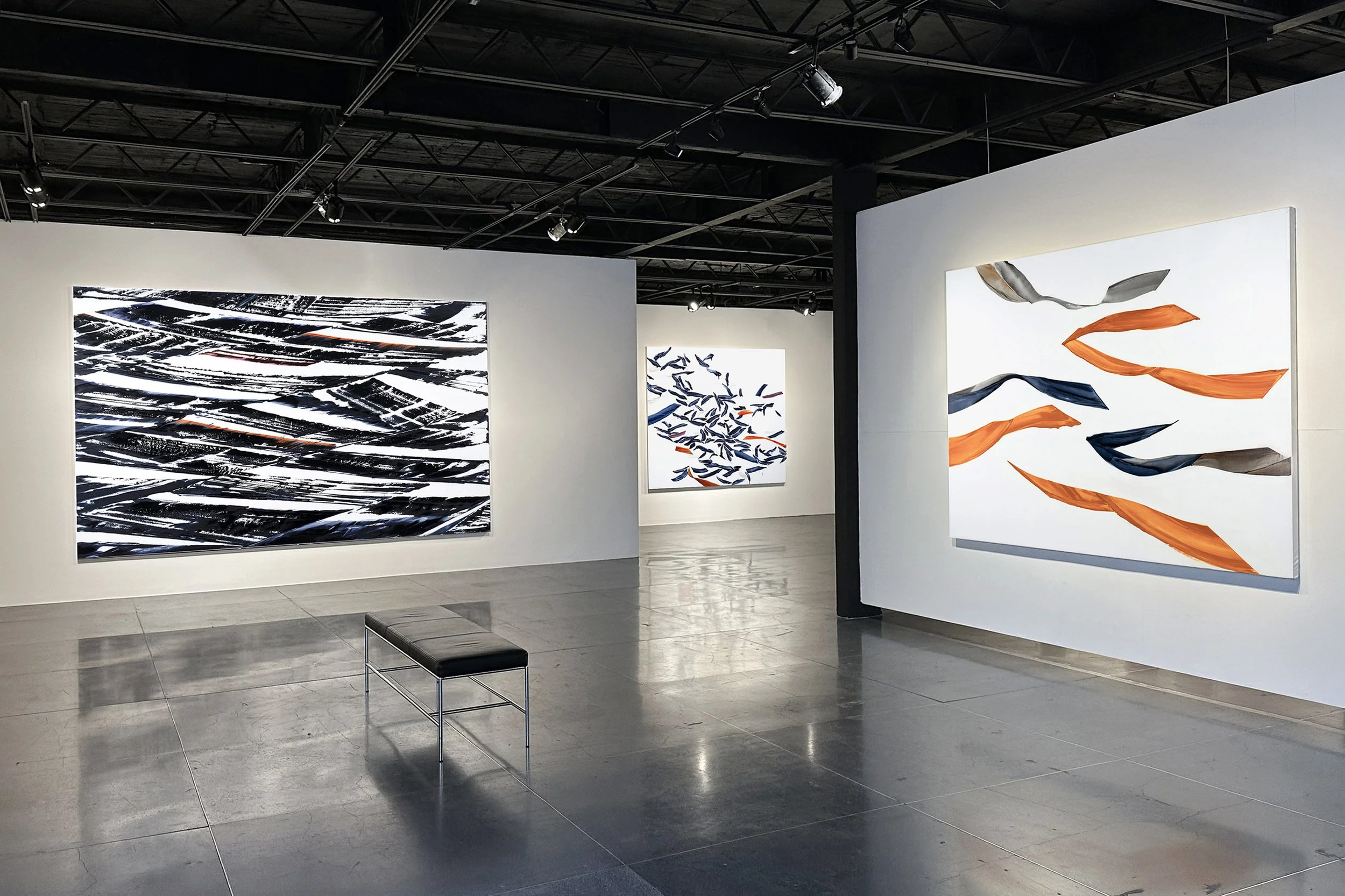
Ba Zasa (Return) at Seminario de Cultura Mexicana, Mexico City, Mexico 2024
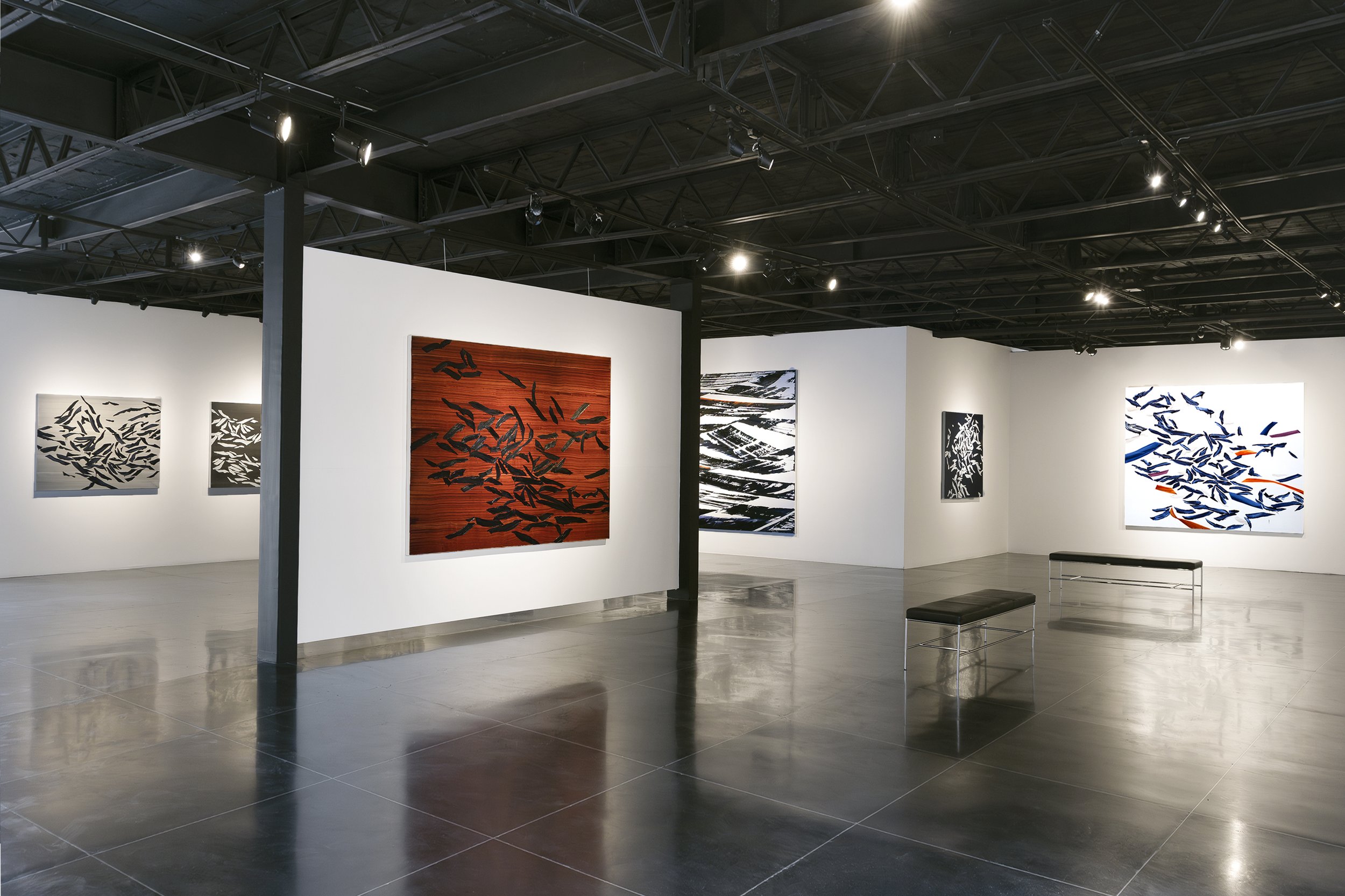
Ba Zasa (Return) at Seminario de Cultura Mexicana, Mexico City, Mexico 2024
SELECTED WORKS
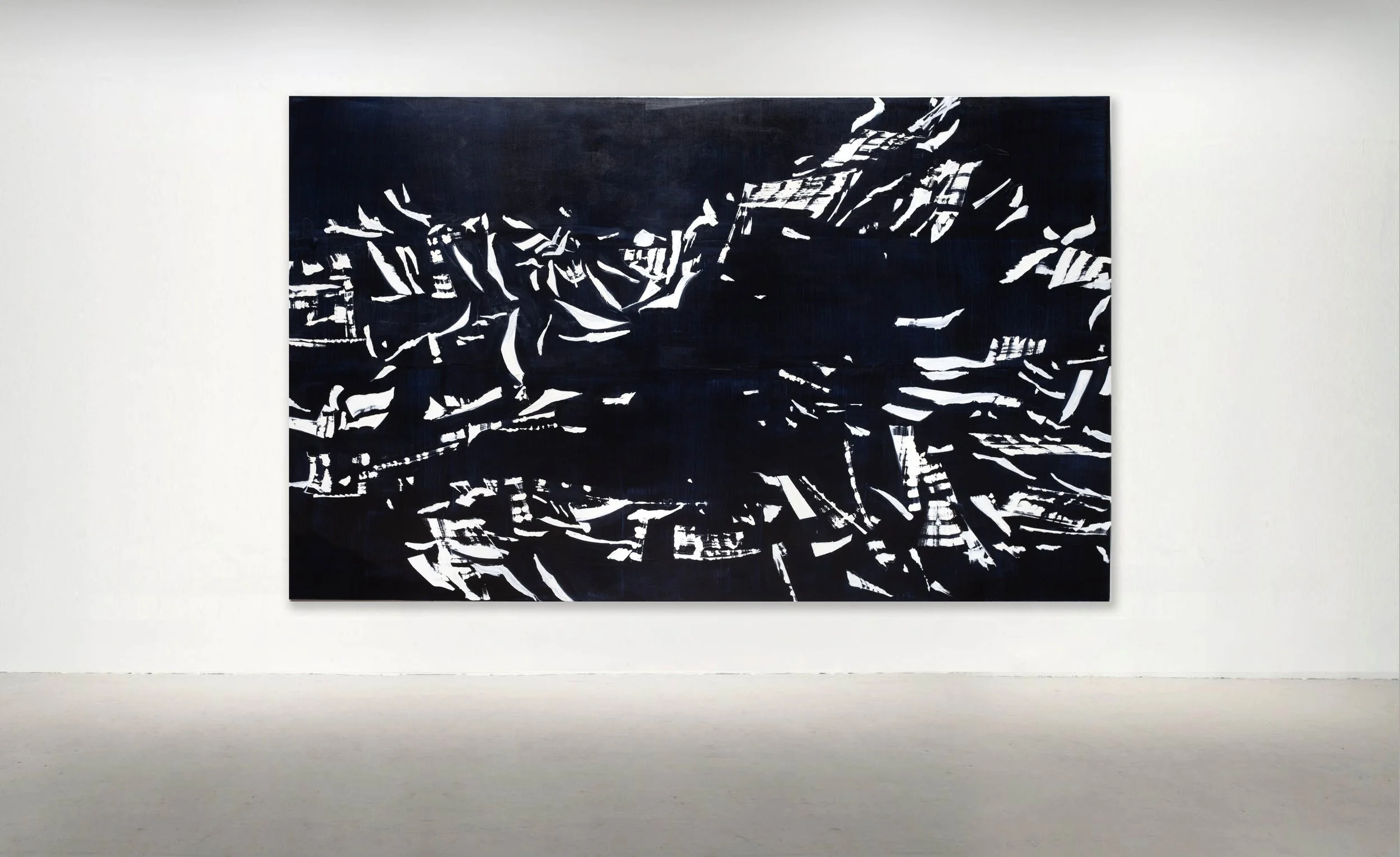
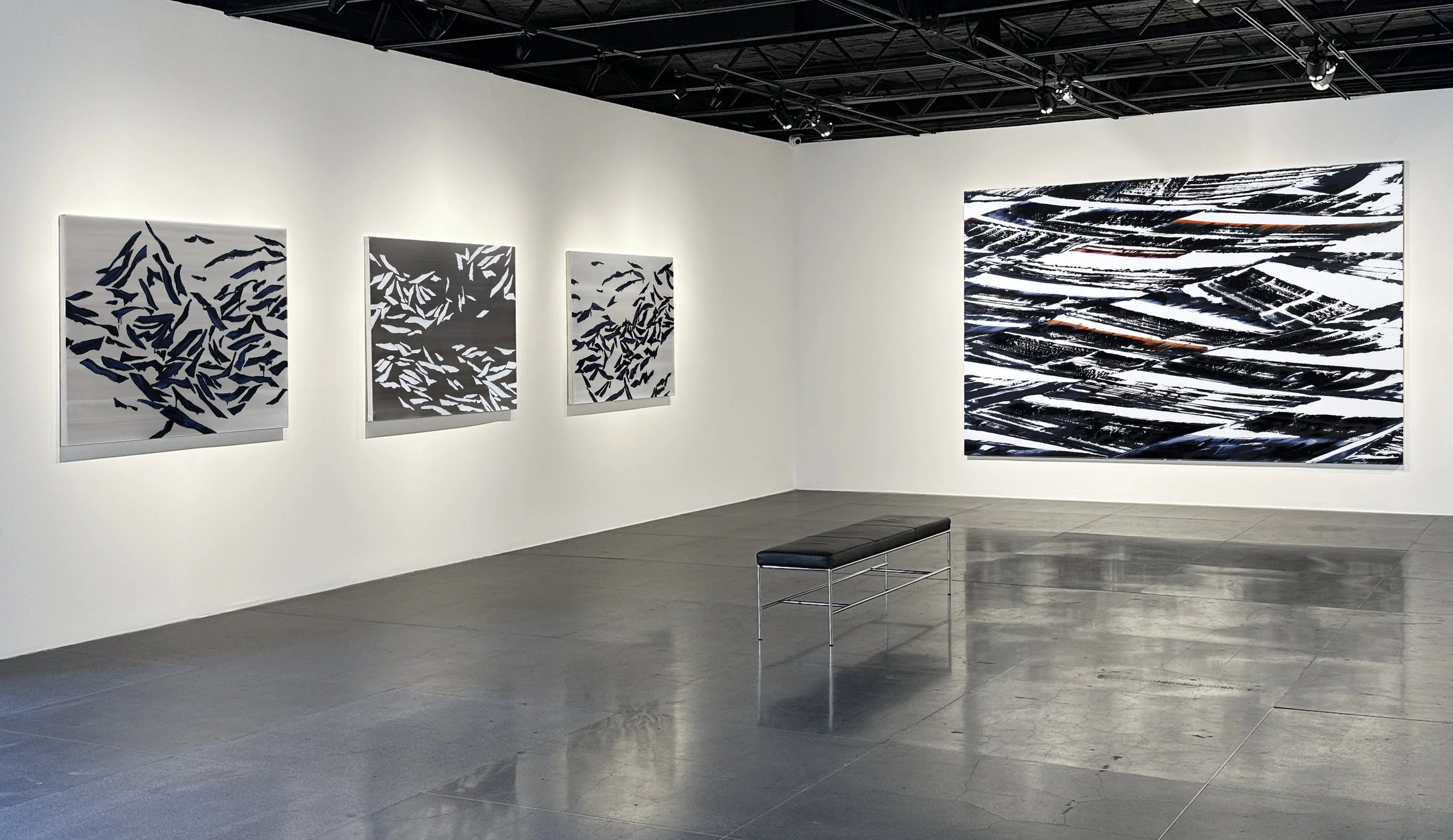
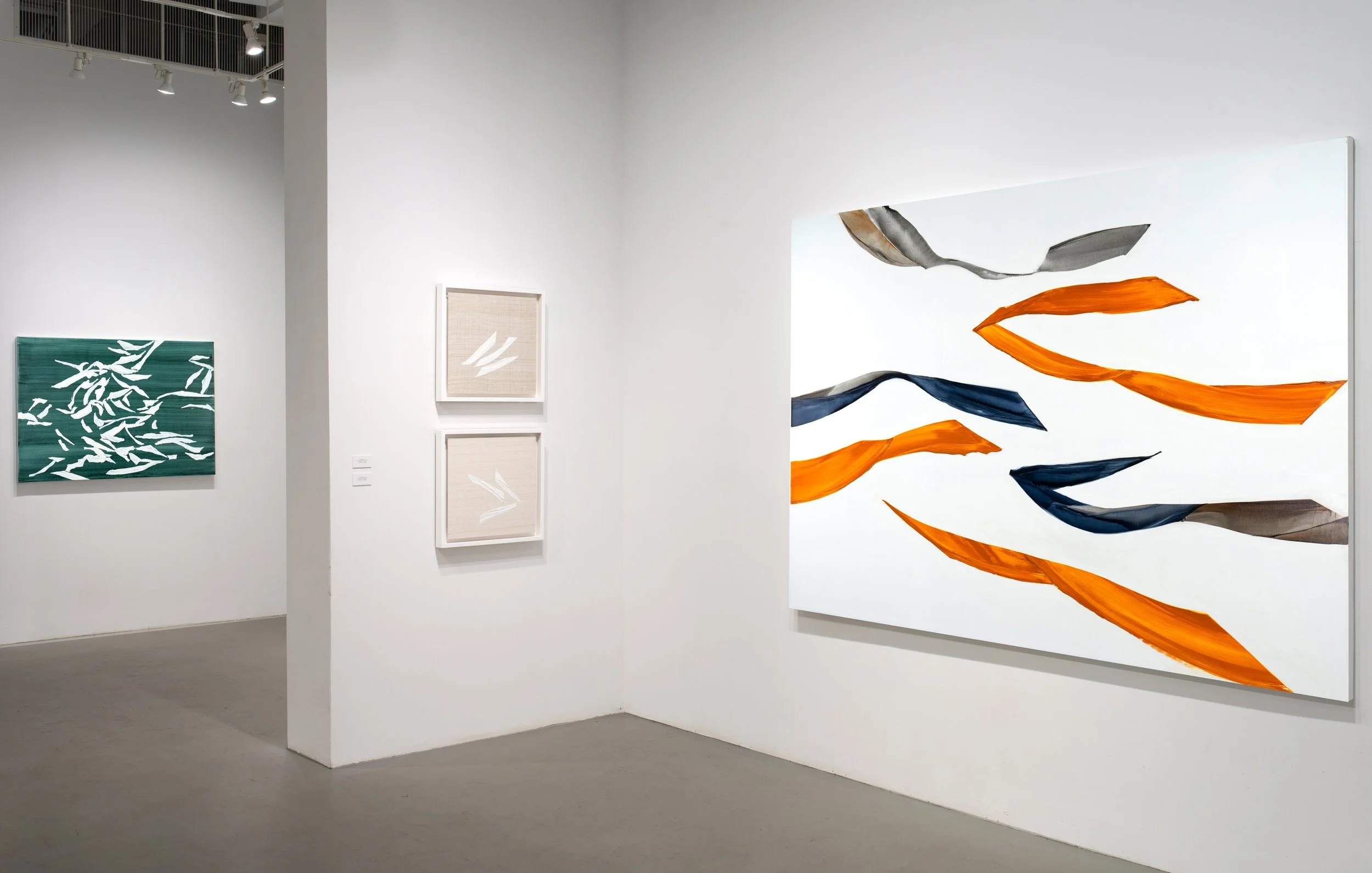
"Migracion 1", 2024 Oil on linen 83 x 140 inches ? 210.8 x 355.6 cm
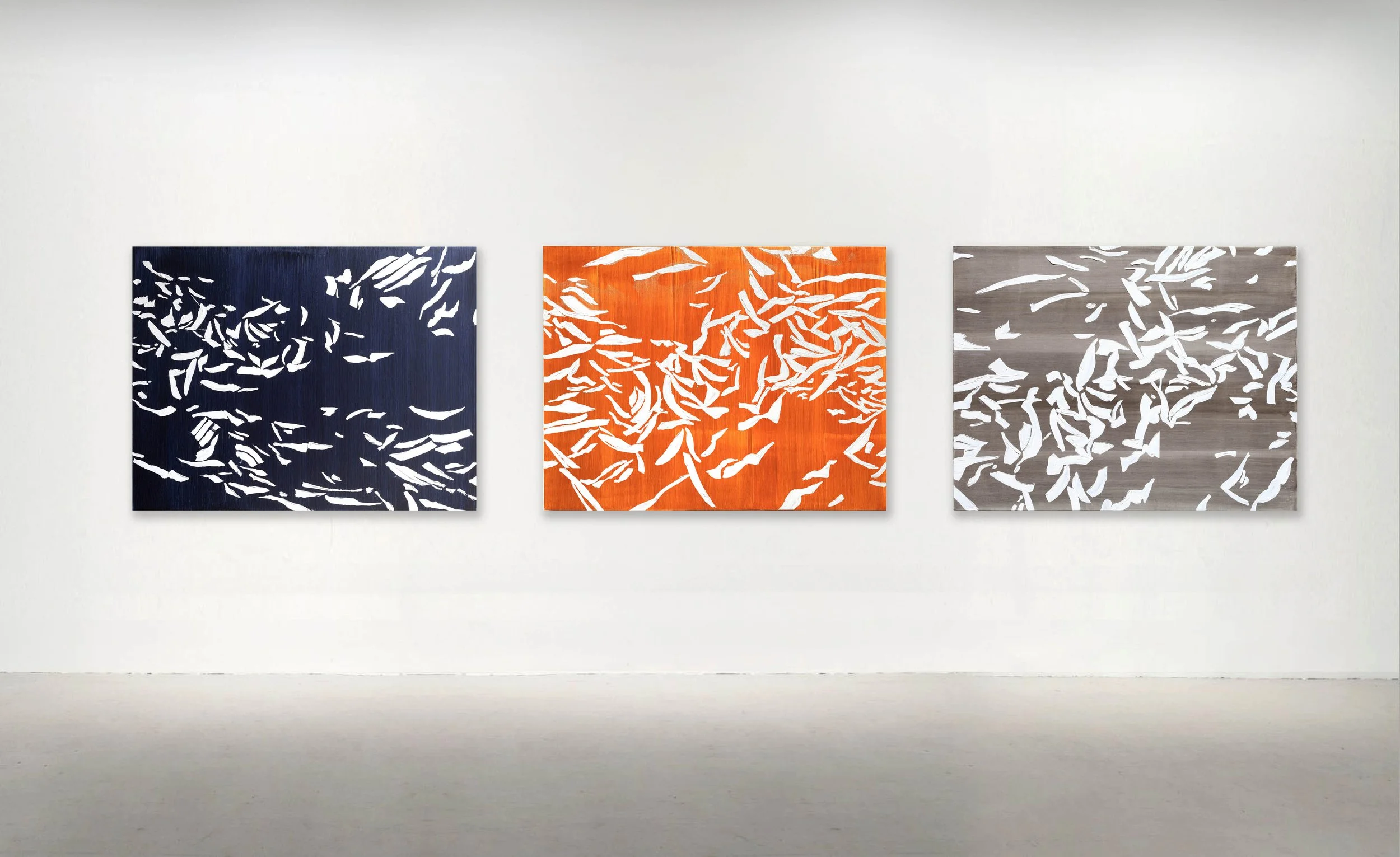
"MIGRACION 2 " "MIGRACION 4" "MIGRACION 3" 2022, Oil on linen. 40 x 52 inches / 101.5 x 132 CM
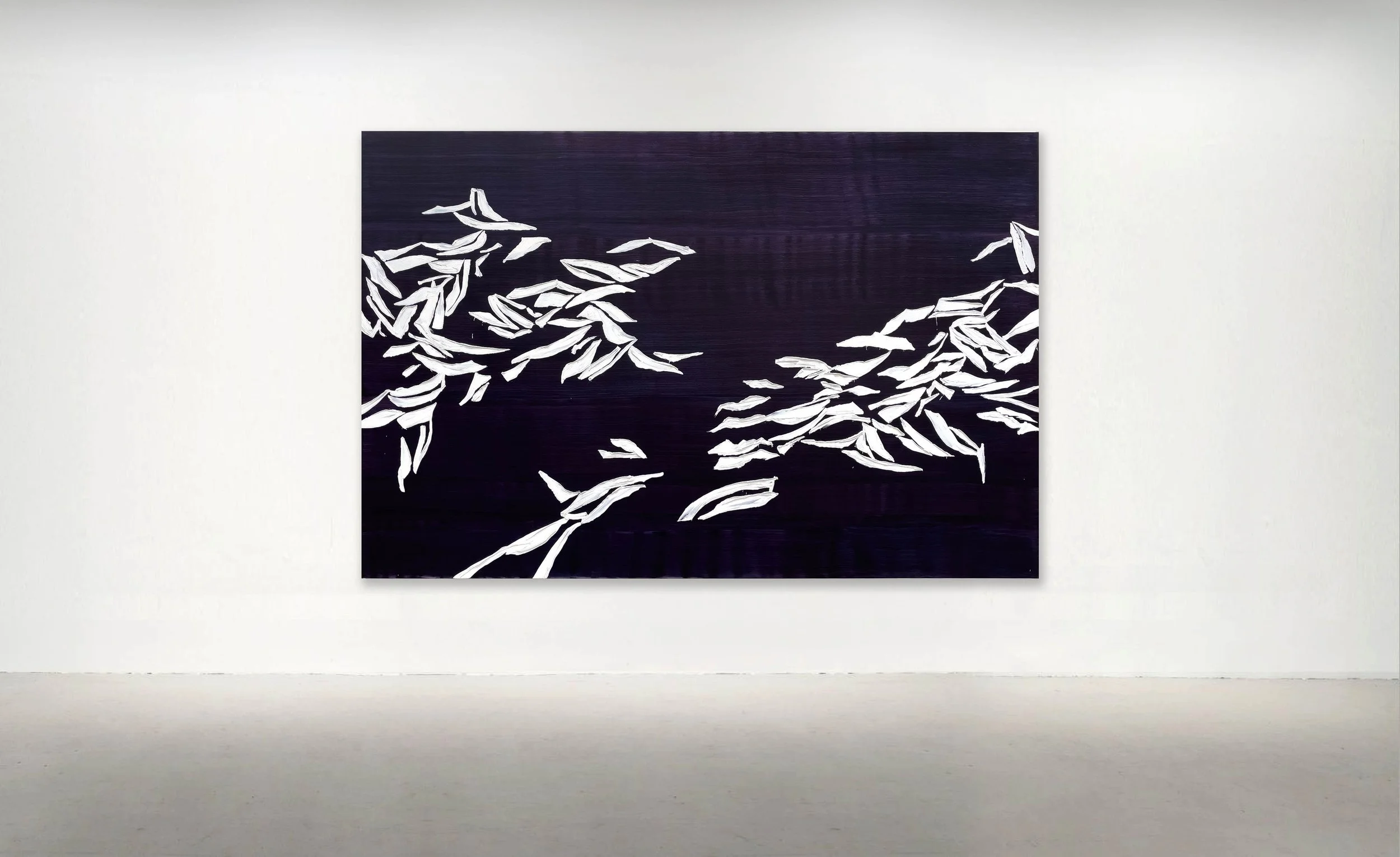
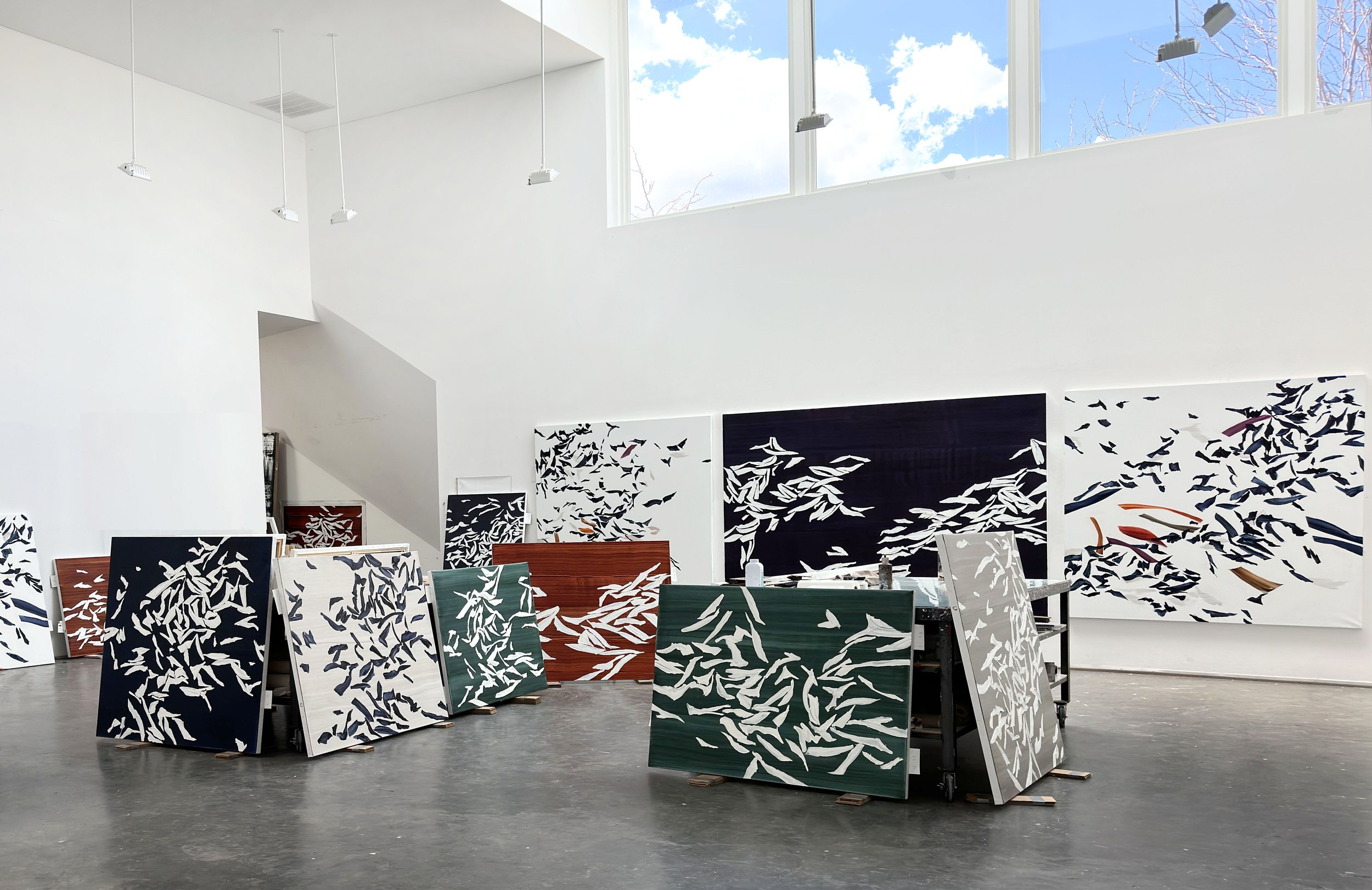
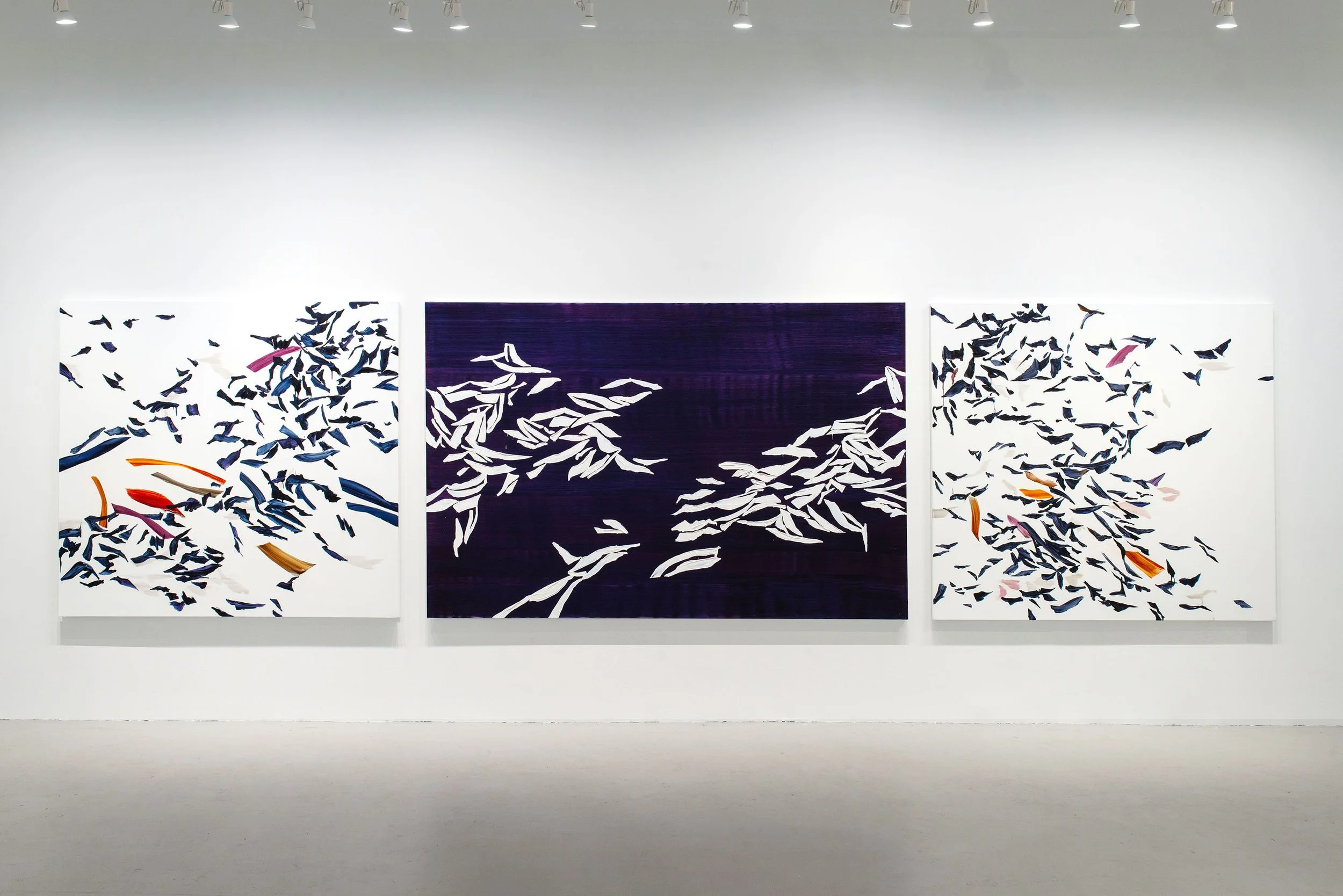
"Ba Zasa Blue Violet 1", 2023. Oil on linen 72 x 110 inches / 183 x 279.5 CM
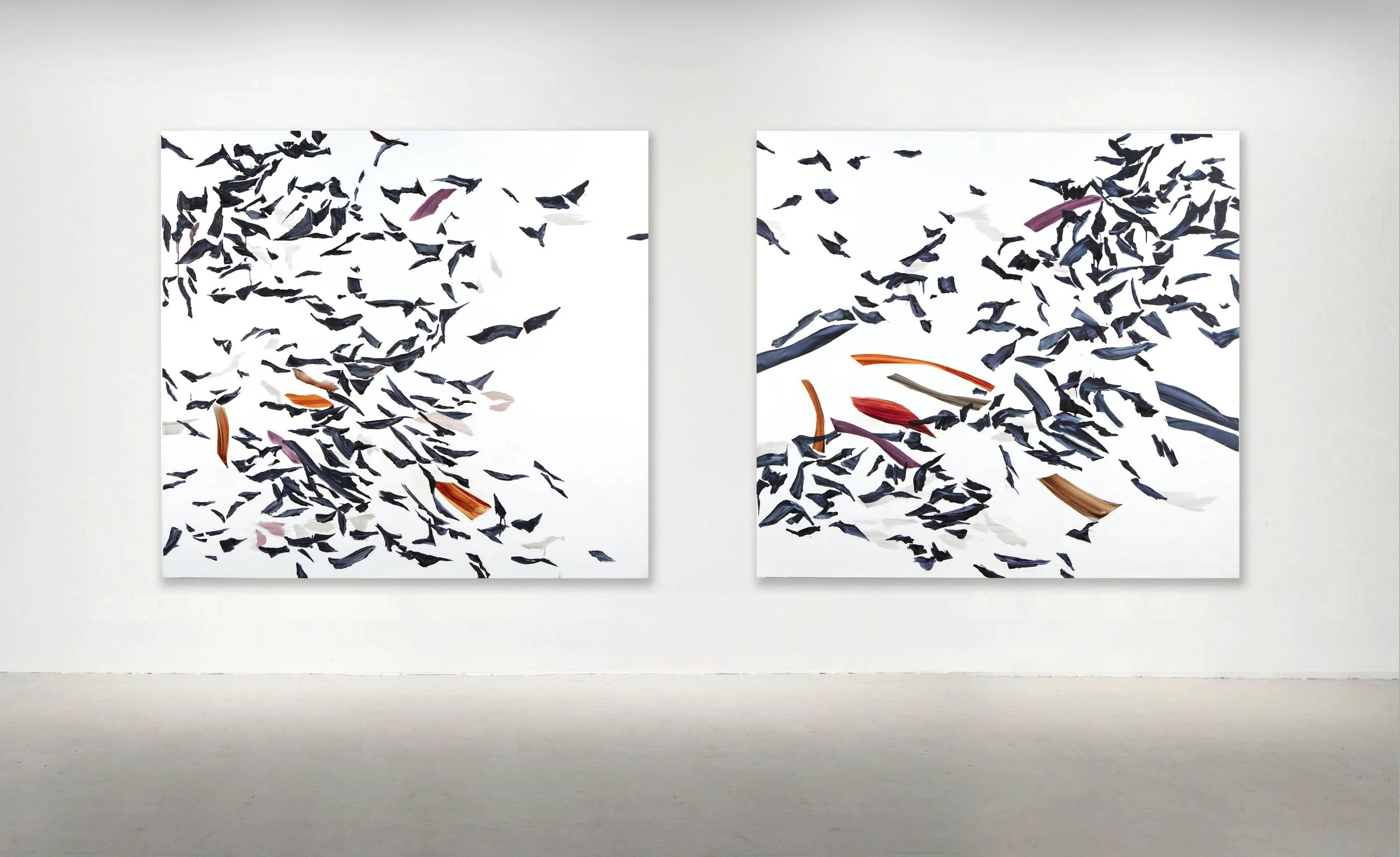
"Ba Zasa White 1" , "Ba Zasa White 2", 2023. Oil on linen 72 x 78 inches / 183 x 198 CM
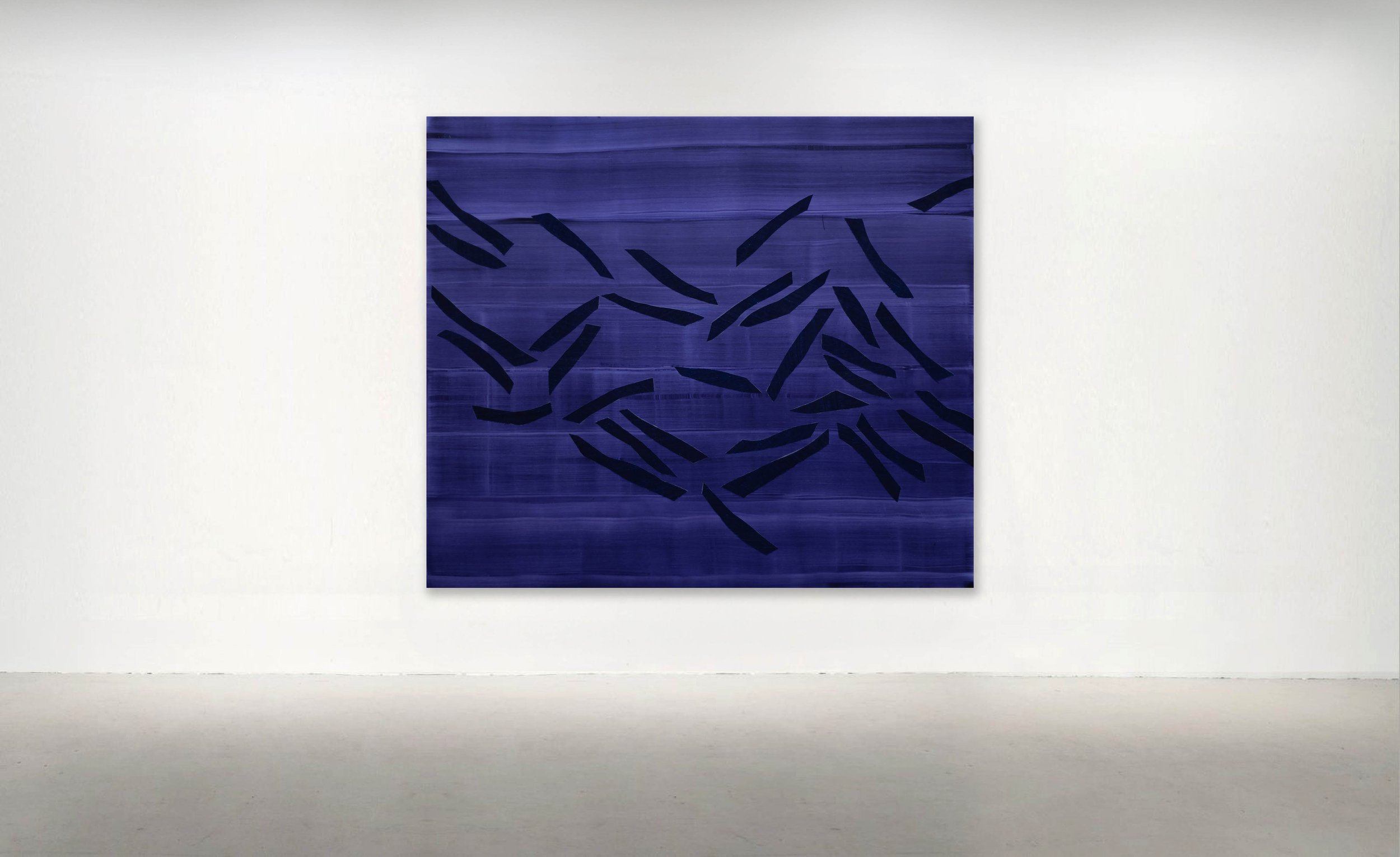
"Ba Zasa Yaba 1", 2024 Oil on linen 78.5 x 90.5 inches / 199.4 x 229.9 CM
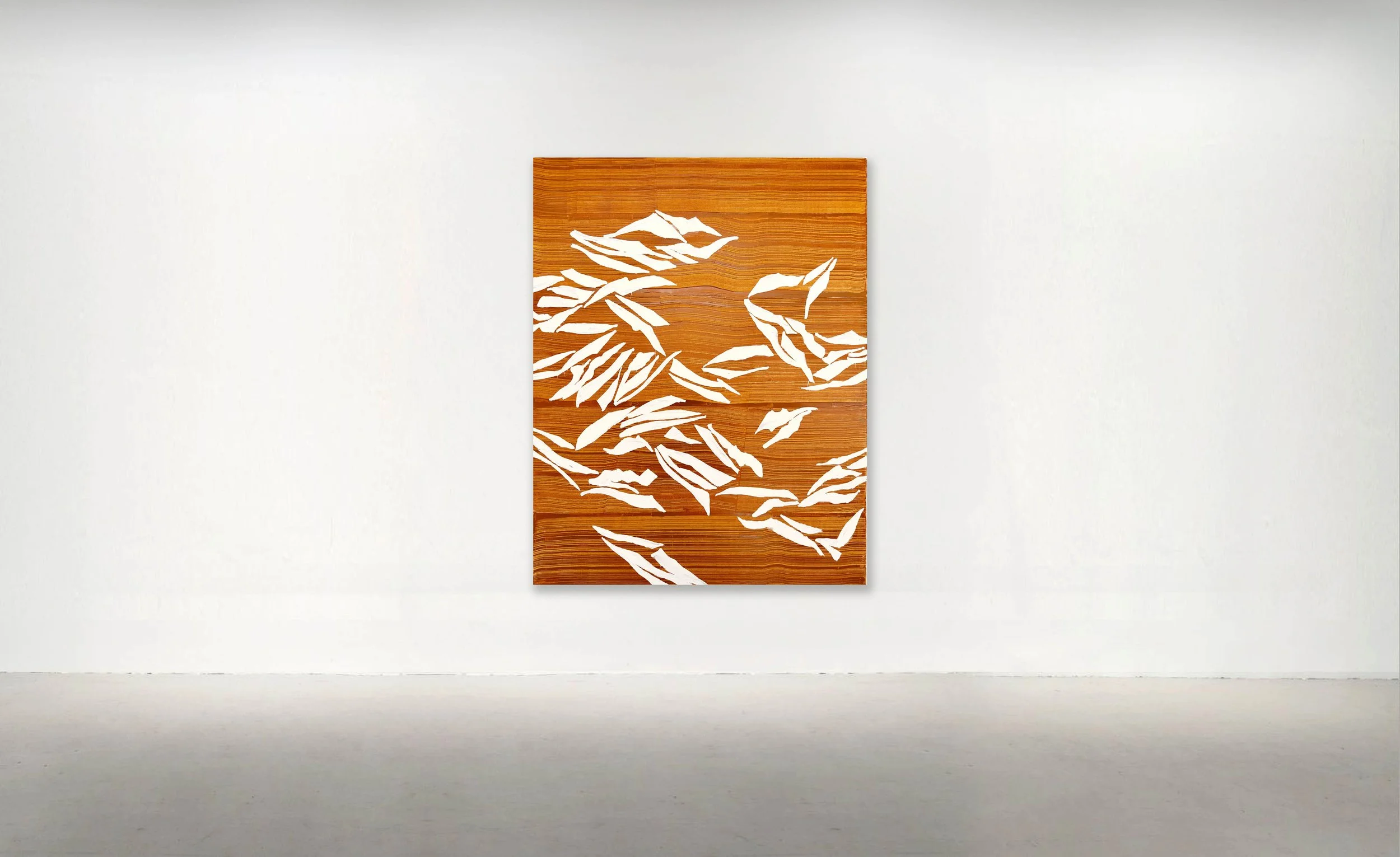
"Ba Zasa" 2023. Oil On Linen 55 x 43 Inches / 140 x 110 CM
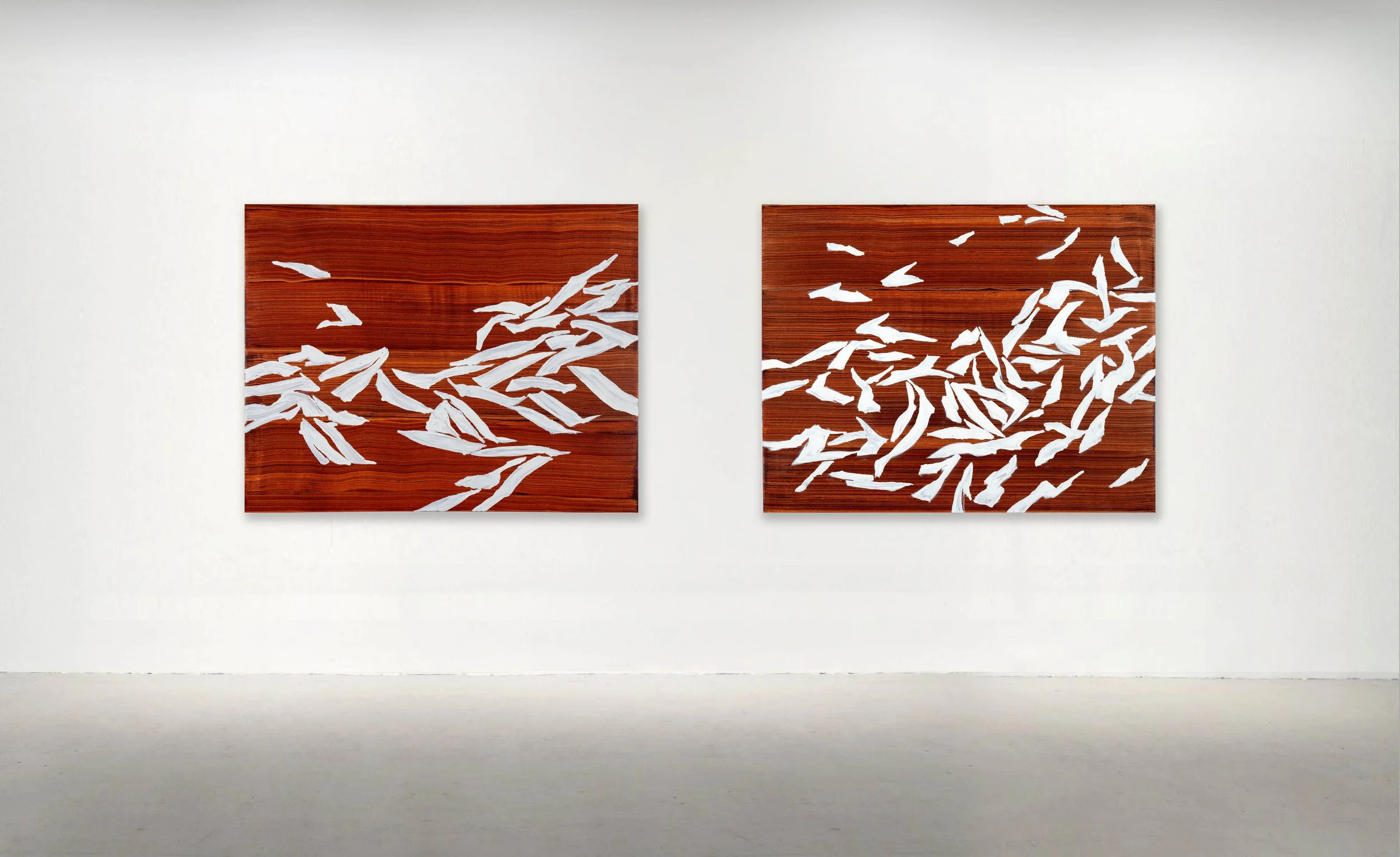
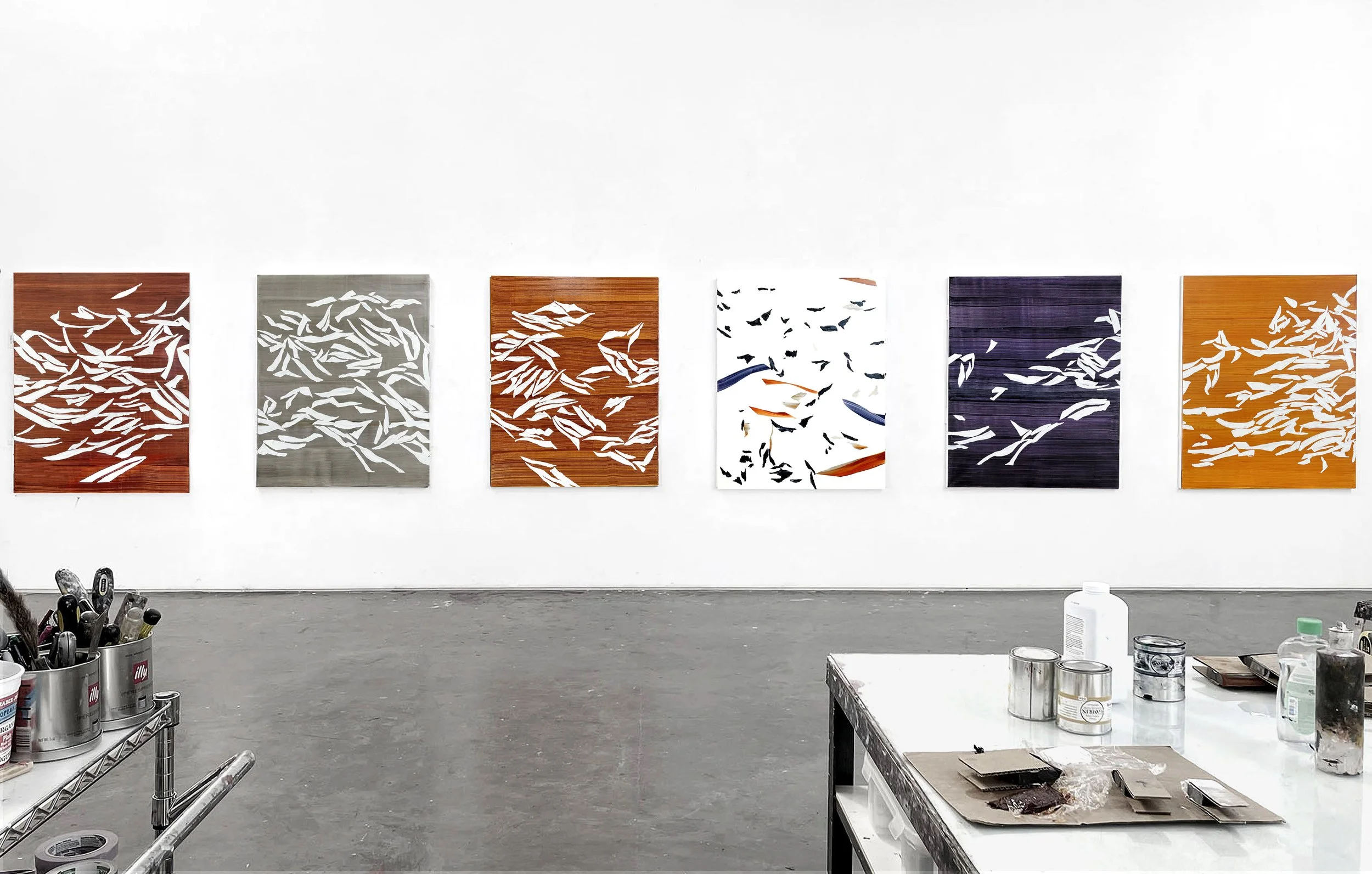
"Ba Zasa Red Lake 1," , "Ba Zasa Red Lake 2", 2023. Oil on linen 37 x 50 inches / 94 x 127 CM
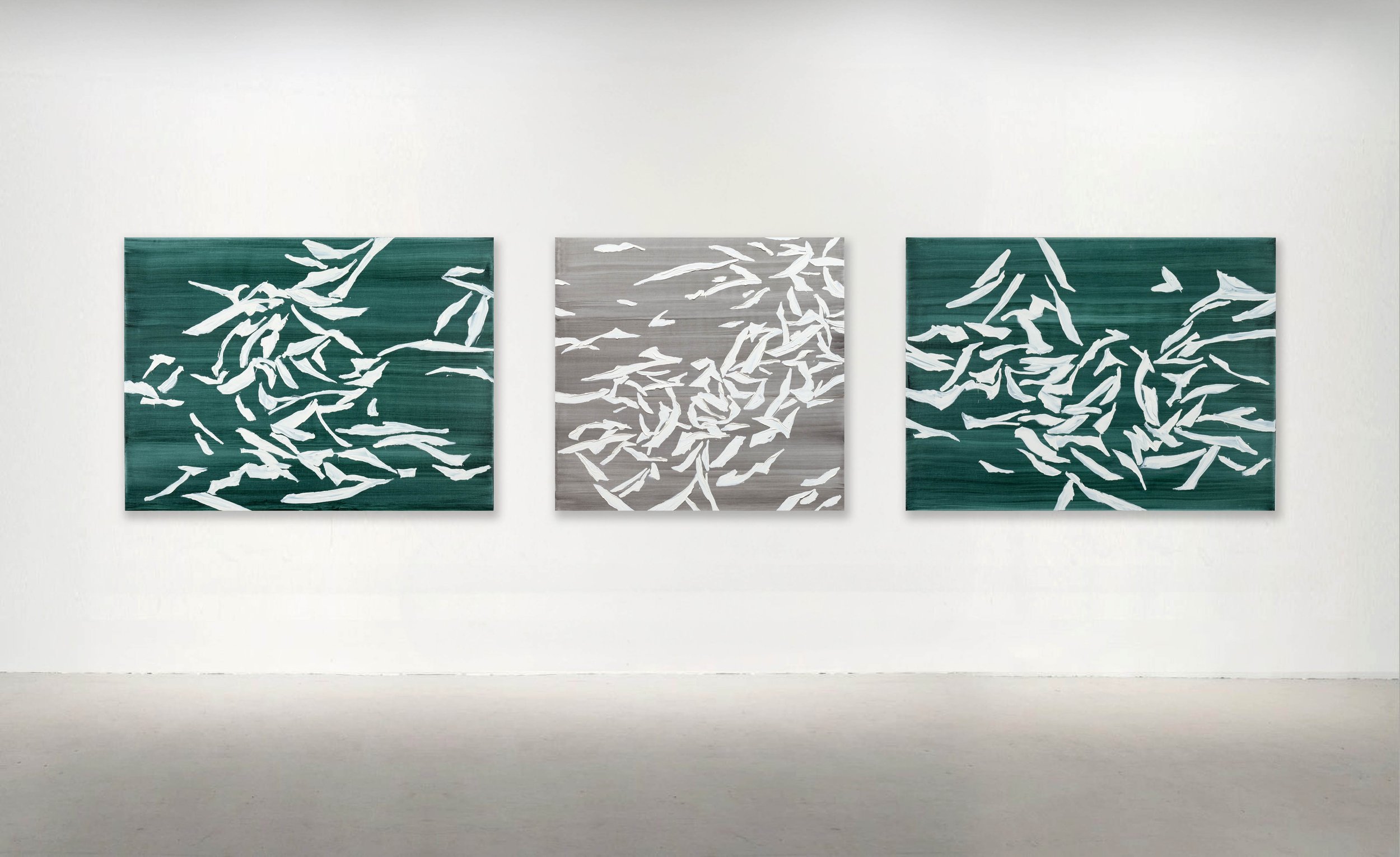
"Ba Zasa Green 1", "Ba Zasa Grey 2", "Ba Zasa Green 2", 2023. Oil on linen 37 x 50 inches / 94 x 127 CM
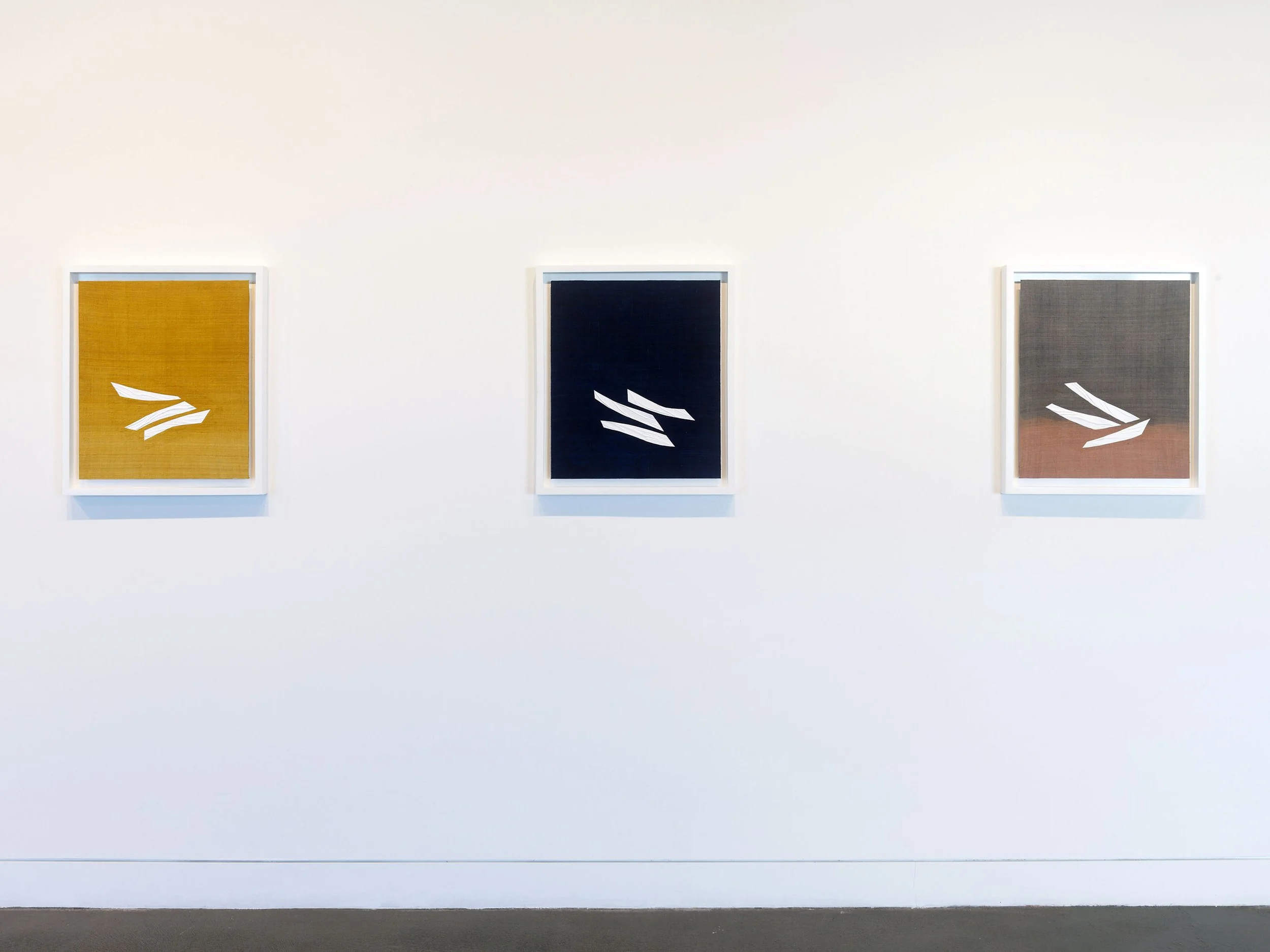
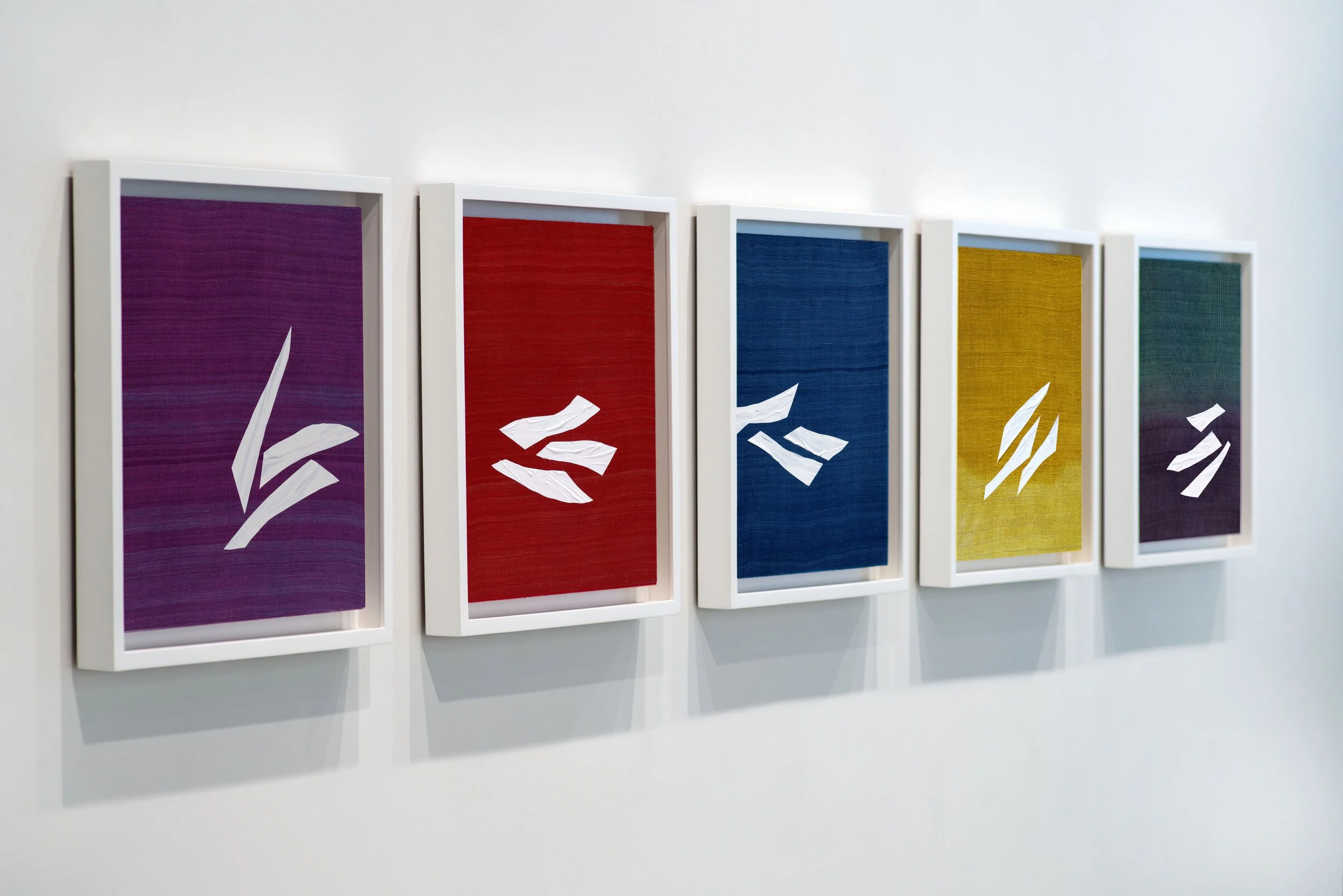
SILK PROJECT
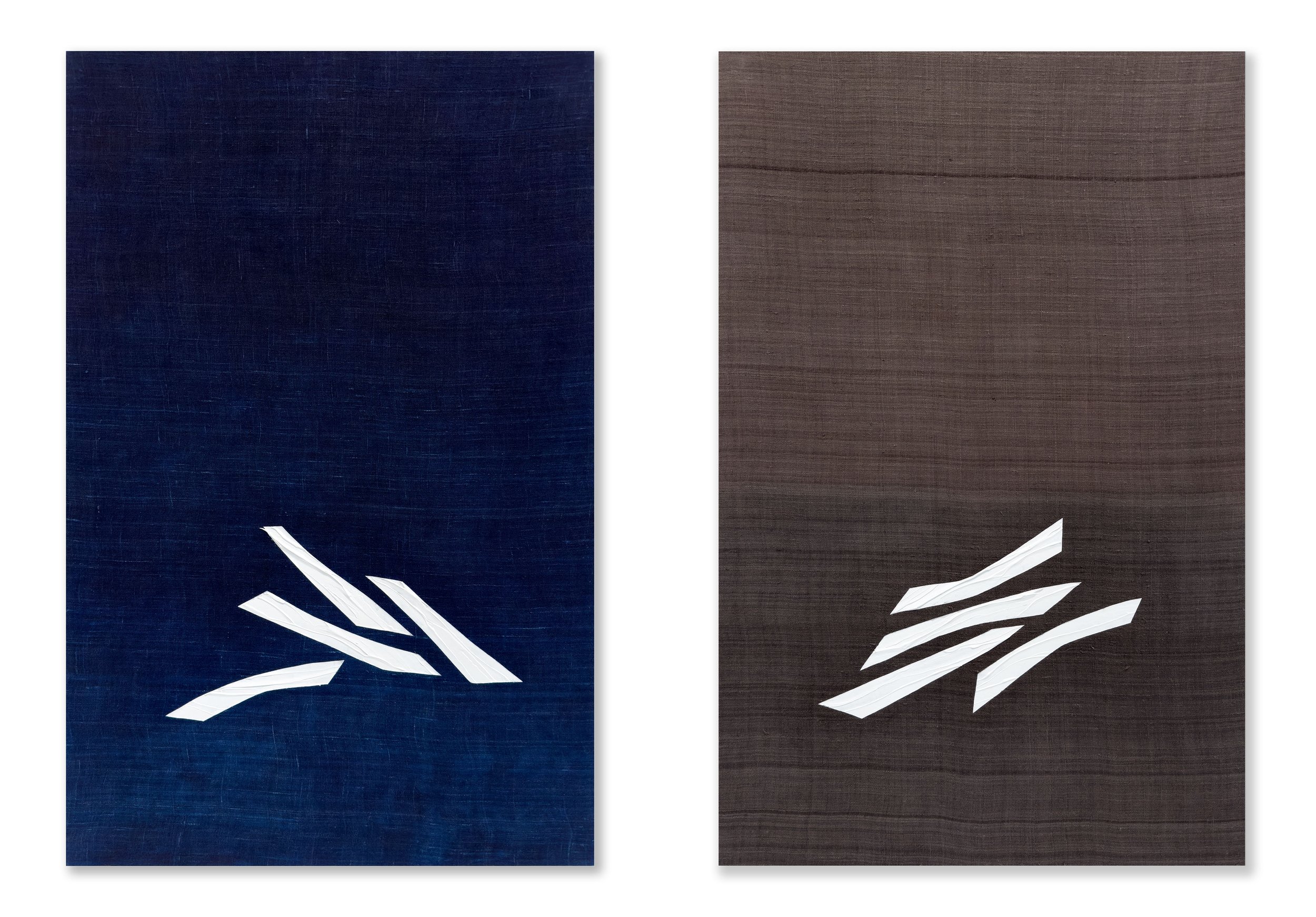
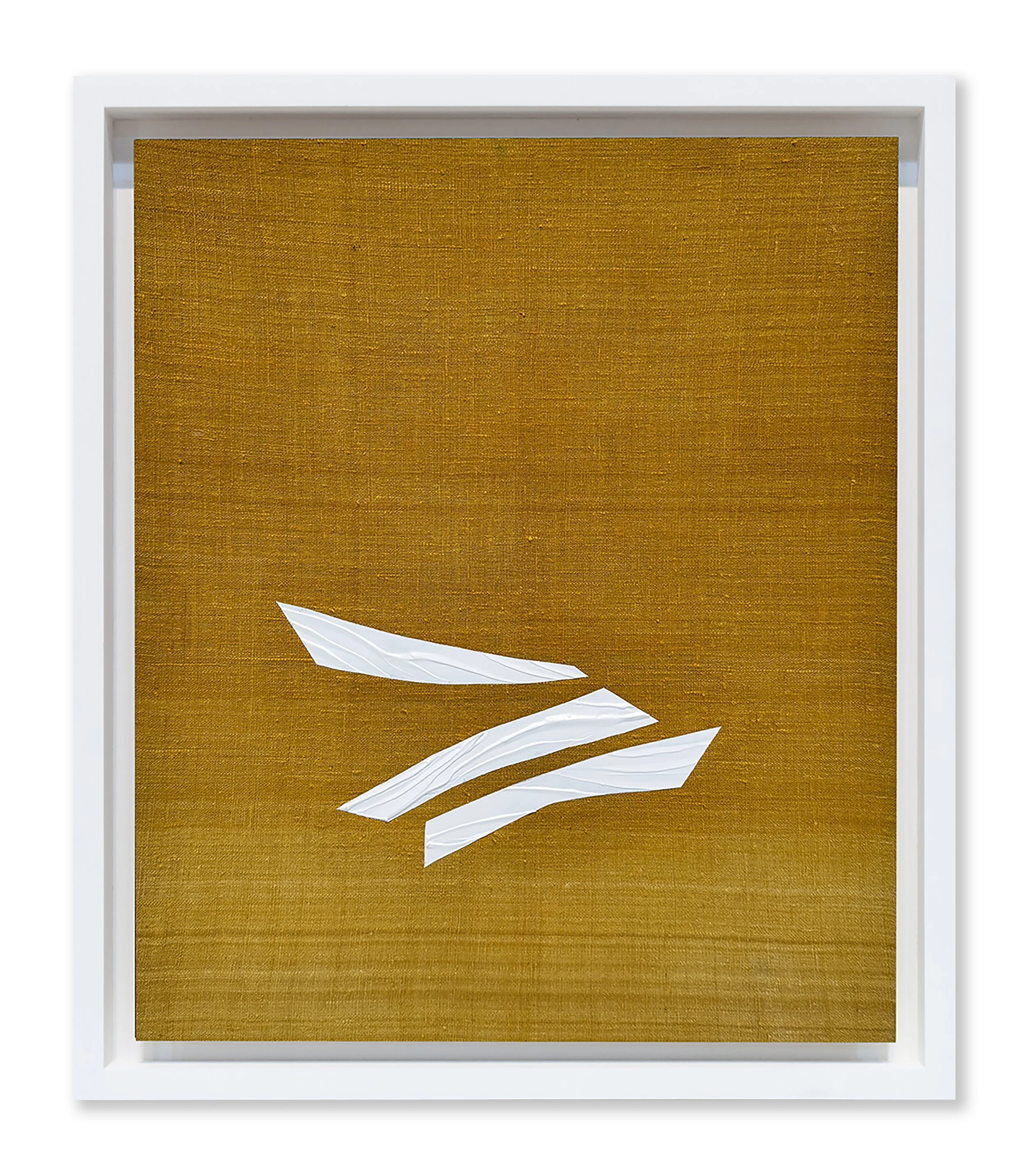
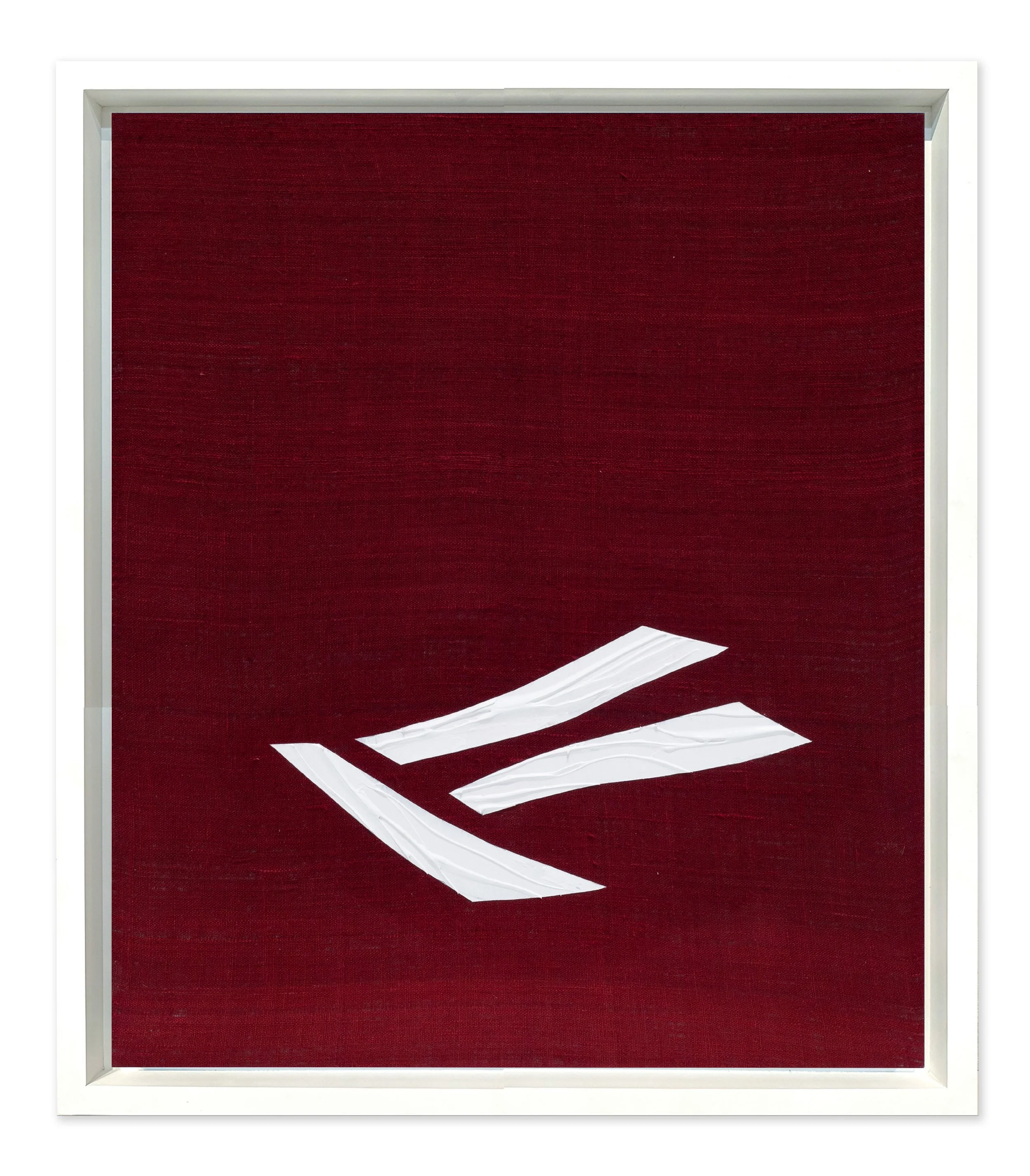
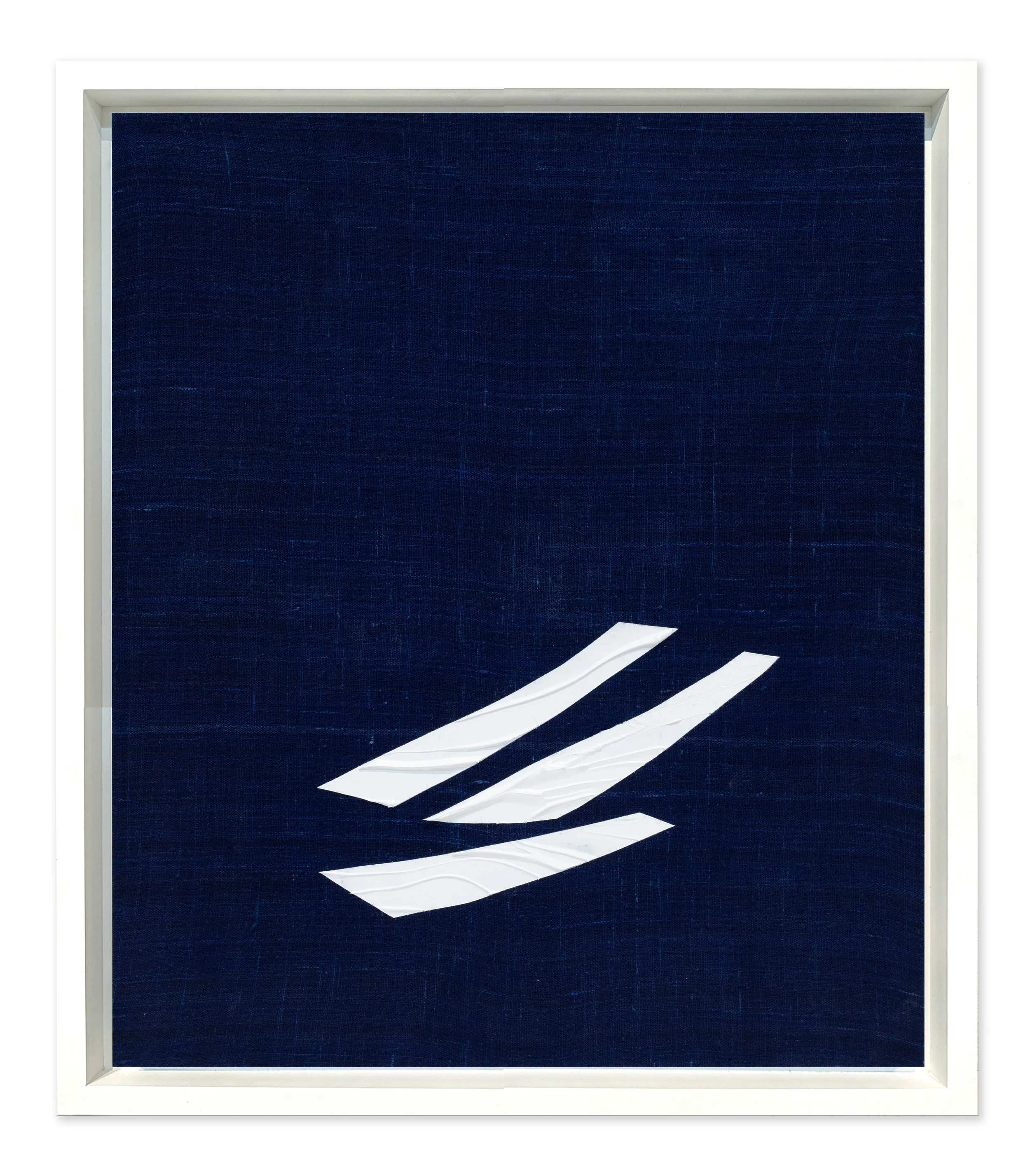
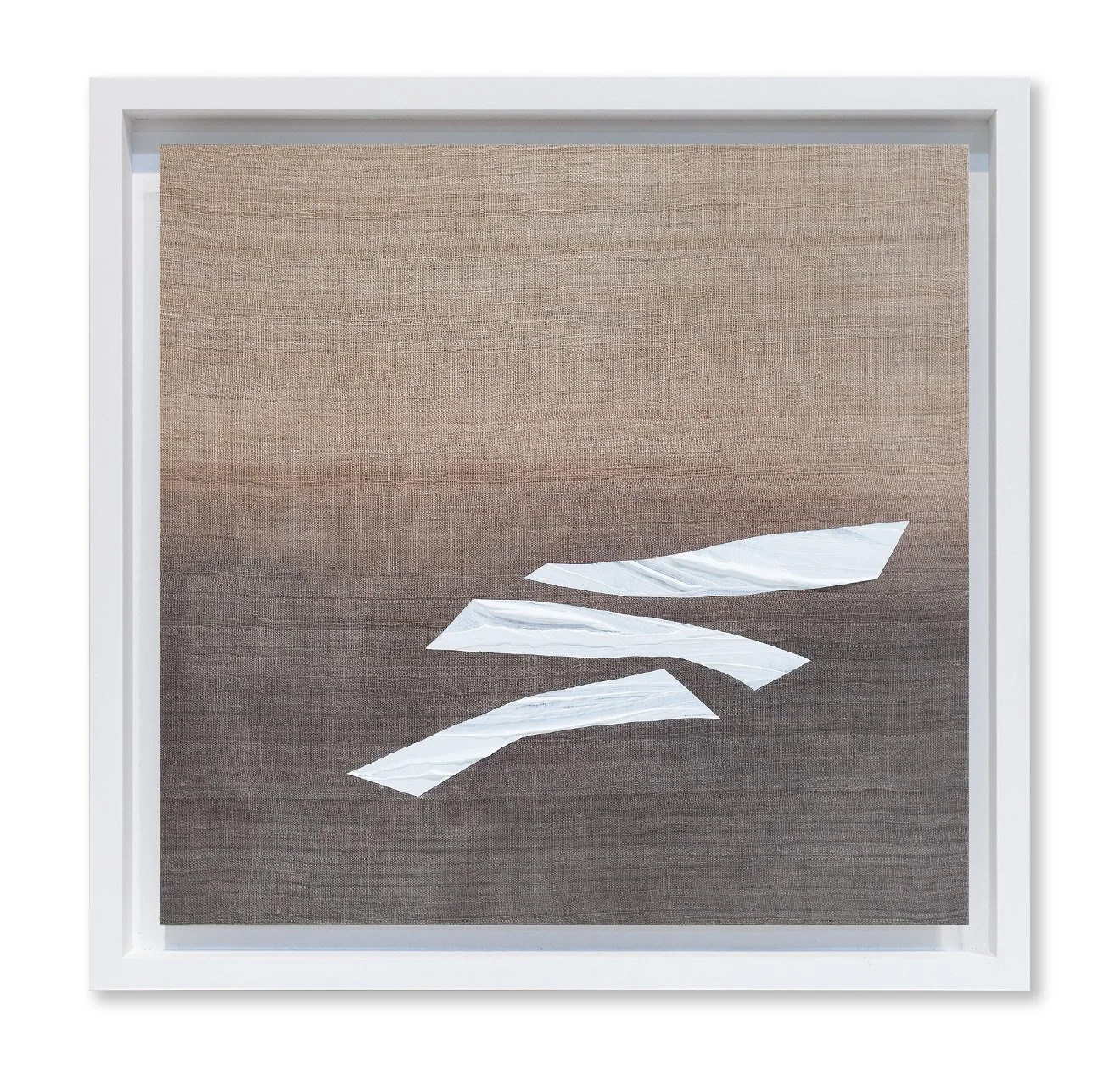
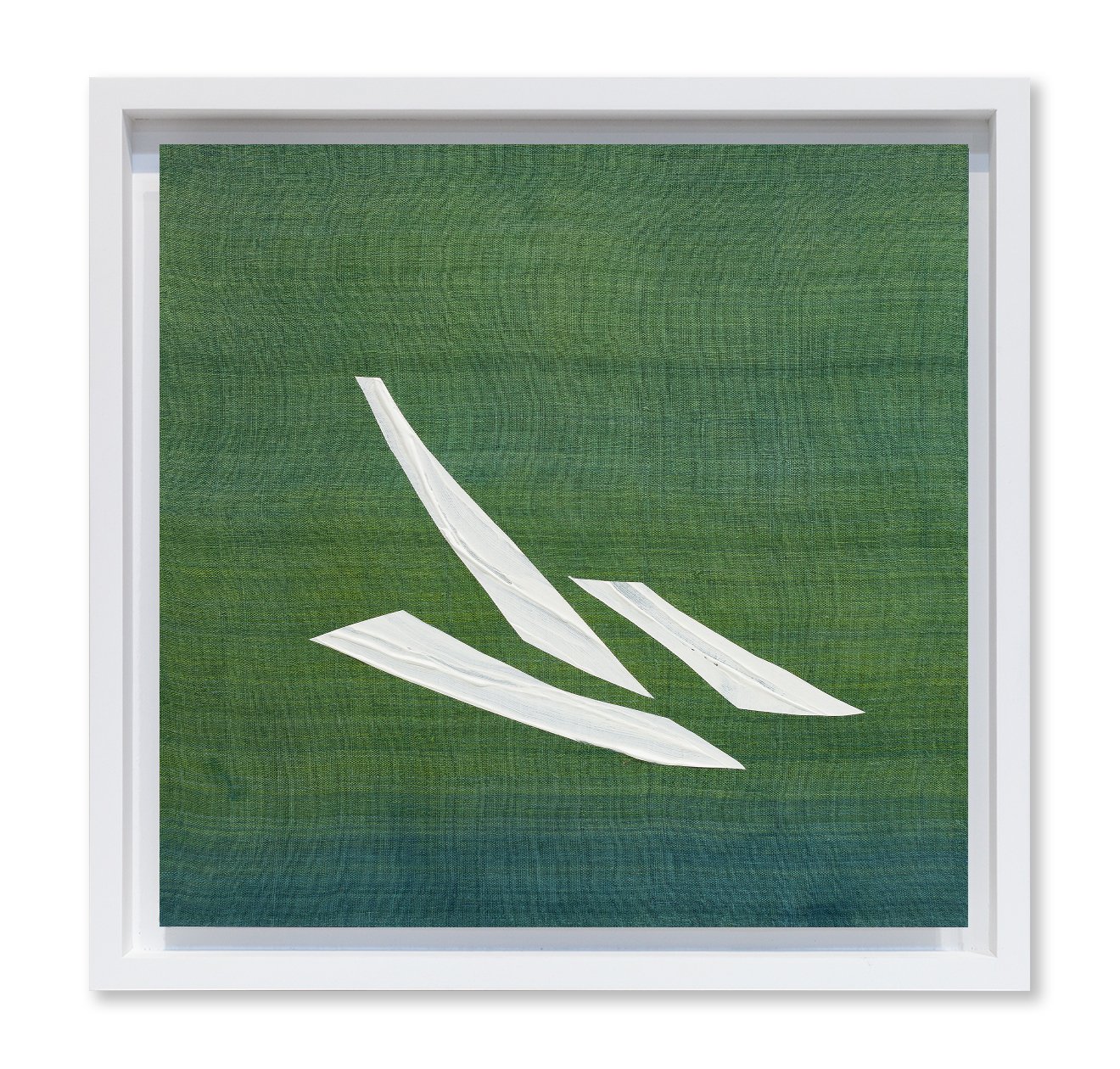
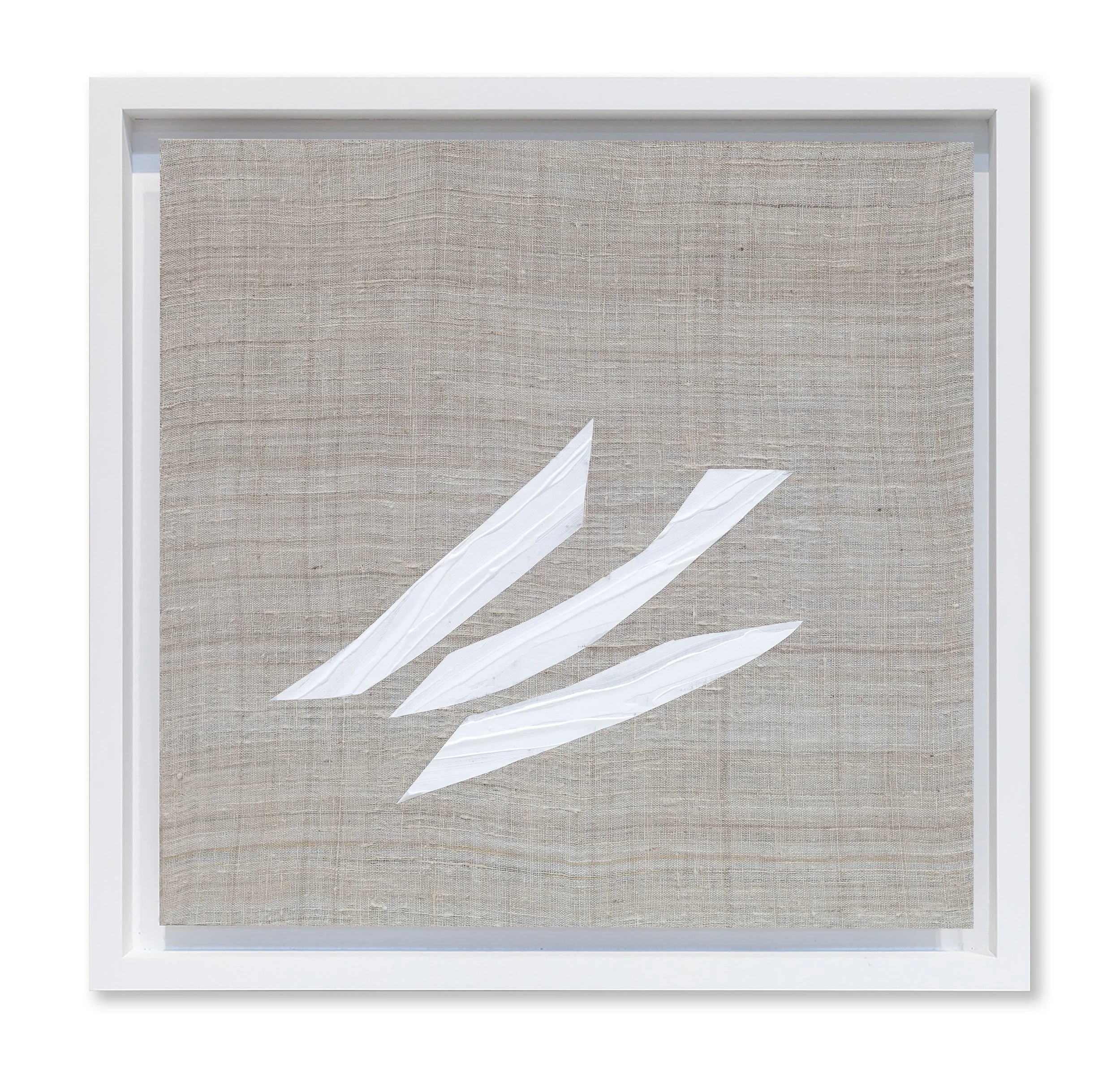
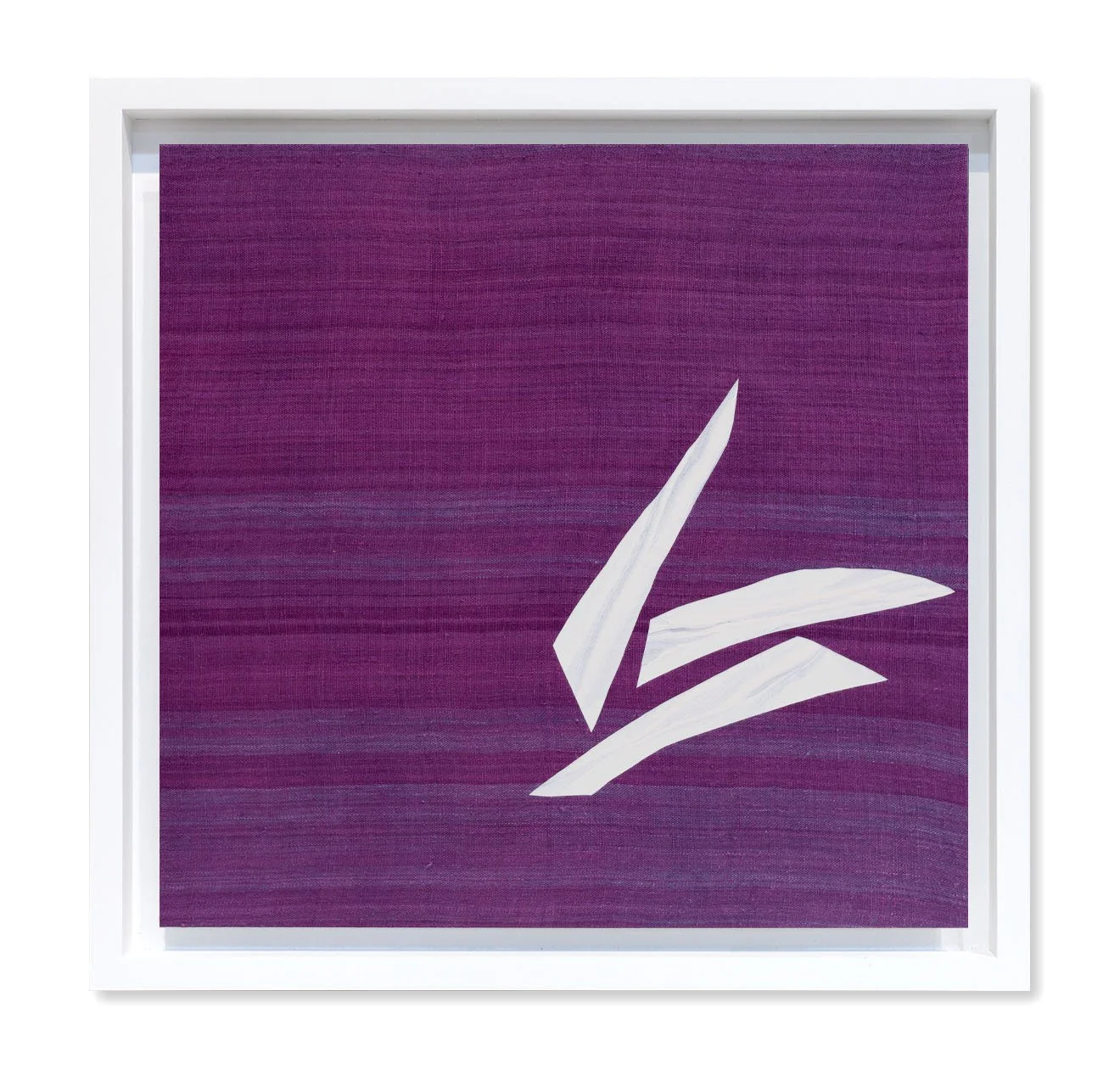
In dialogue with the rest of the paintings is a second body of smaller-scale acrylic paintings on handmade silk inspired by an encounter with artisan Moises Martínez and his family who are dedicated to silk production in a remote mountain village in Oaxaca, southern Mexico. Mazal was surprised to discover fragments of dyed silk which looked almost identical to some of his paintings and soon decided to experiment with silk as a sort of canvas. Mazal visited the village of San Pedro Cajonos, and immersed himself in the process of raising silkworms, spinning and weaving the silk, then finally coloring the fabric using dyes made of natural materials including flowers, tree bark and indigo. Similar to his other series of paintings, he added thick textured white brushstrokes onto the surface of the silk. What resulted is a series of intimate silk paintings infused with a sense of dynamism and movement.
Video
Ricardo Mazal Ba Zasa (Return) : Seminario De Cultura